
Cleopatra: Goddess on a Barge
Cleopatra sails up the Nile dressed as Isis—perfumed, dazzling, draped in gold, and hailed as a living goddess.
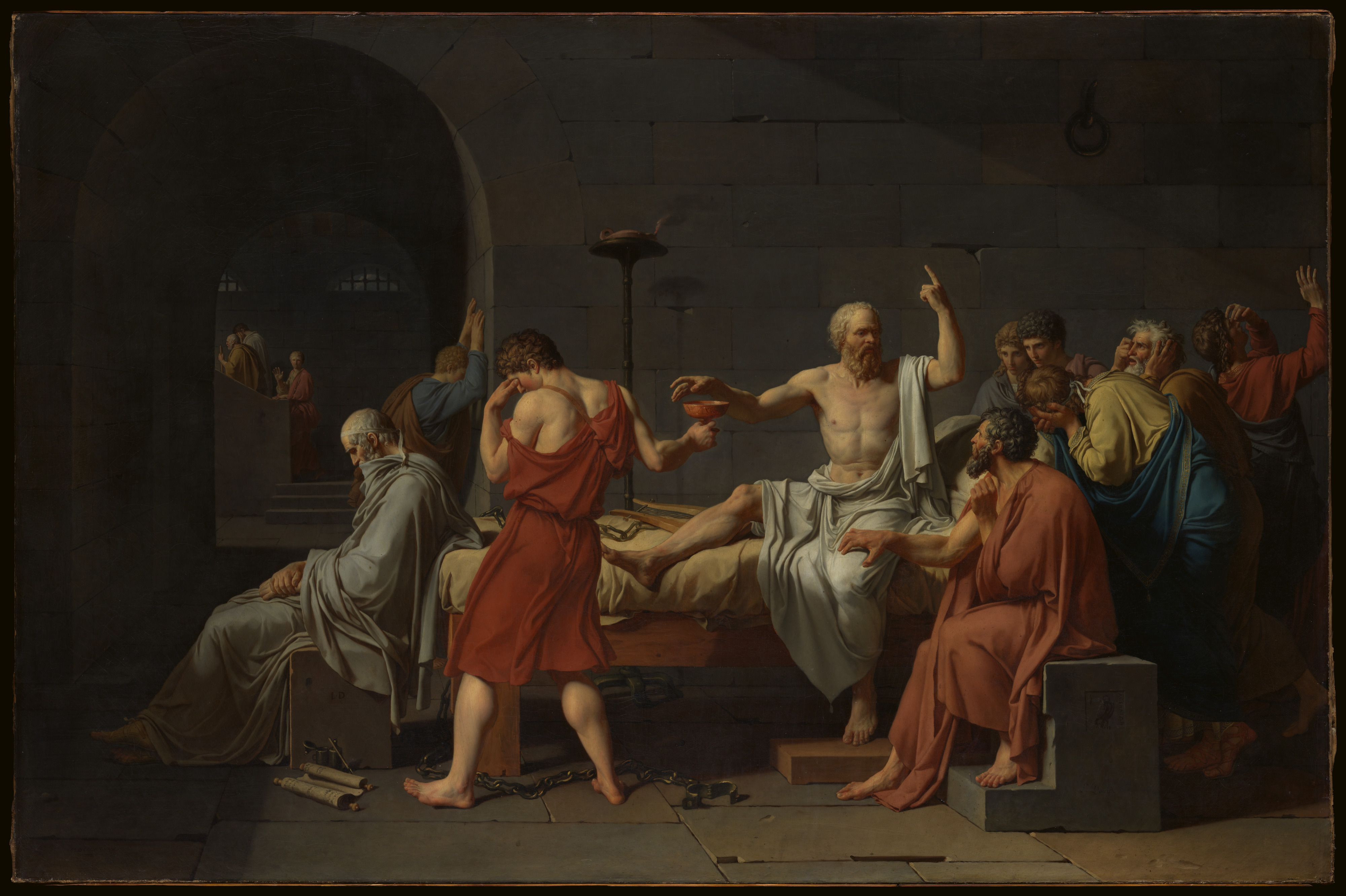
David — "The Death of Socrates" (1787), public domain
Queen or Goddess? Cleopatra on the Nile
Cleopatra sails up the Nile dressed as Isis—perfumed, dazzling, draped in gold, and hailed as a living goddess. The air is thick with incense, music, and rumor. Nobody remembers the speech she gave—only the spectacle.
Politics as Performance Art
In Alexandria, politics was theater. Cleopatra blurred the line between ruler and deity, not with swords but with silk and fragrance. She knew Romans negotiated in stone; she commanded with myth and spectacle, her image rippling out from her barge to every eye on the riverbank.
Becoming a Legend, Not Just a Queen
She didn’t just rule a kingdom—she wrote herself into legend. Even Rome, terrified and fascinated, could never quite tell where the woman ended and the goddess began.
She understood that power in Alexandria was theater as much as policy. While Roman and Greek politicians negotiated in marble halls, Cleopatra staged her own divinity on the water—her barge a floating stage, incense swirling in the wind, crowds lining the banks, all watching her become a myth before their eyes.
