
Cincinnatus Drops His Plow for Rome
A messenger found Lucius Quinctius Cincinnatus knee-deep in his field—summoned to save Rome, still covered in dirt.
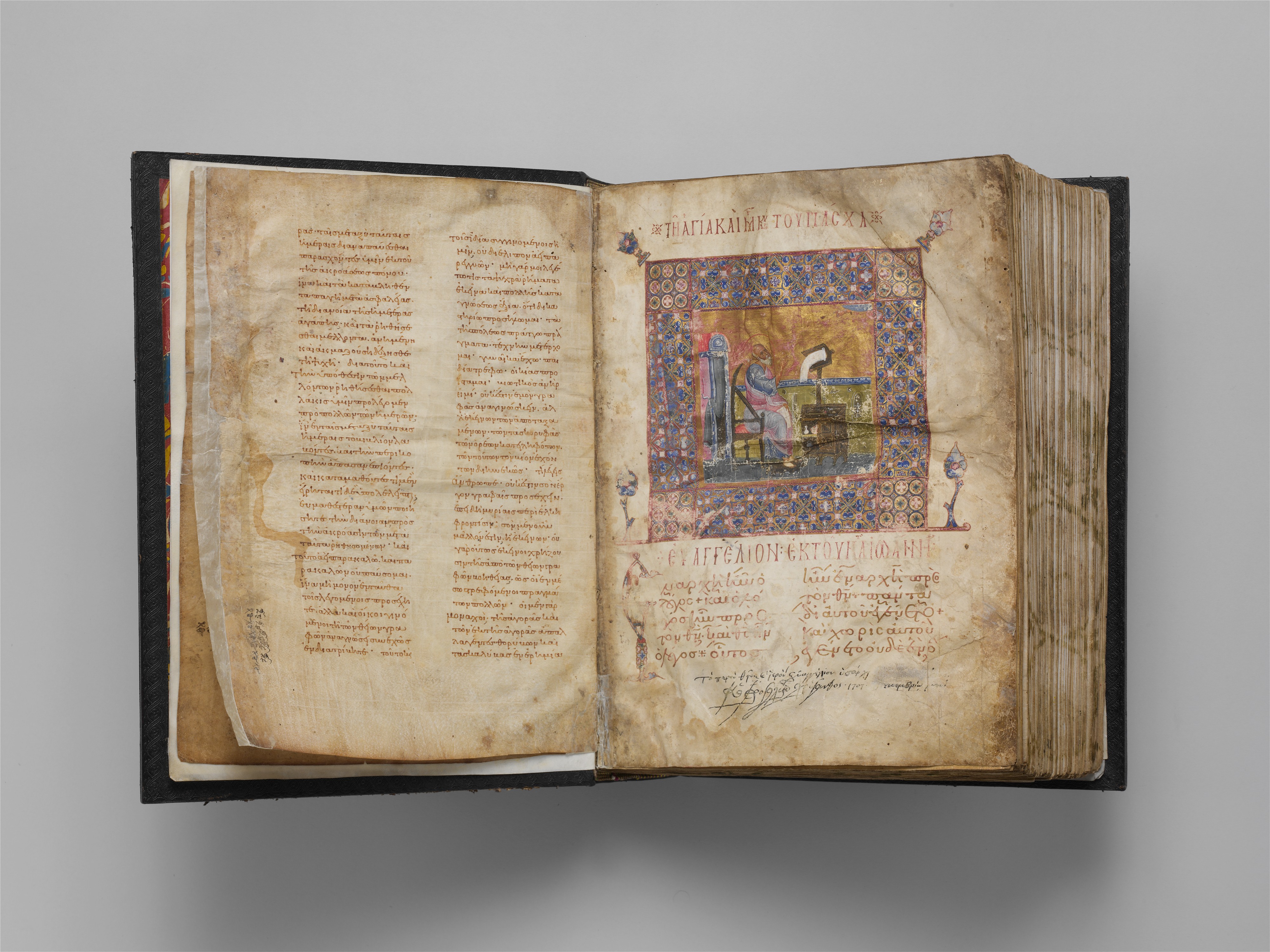
Unknown — "Jaharis Byzantine Lectionary" (ca. 1100), public domain
Summoned from the soil.
The year is 458 BC. Rome is under siege. Senators race to the farm of Lucius Quinctius Cincinnatus and find him bent over his plow. When they declare him dictator, he wipes his hands, listens to the crisis, and walks to the city wearing his rough farmer’s tunic.
Dictator for sixteen days.
Given total power, Cincinnatus gathers every citizen able to carry a spear and marches overnight. By daybreak, he encircles the enemy and frees the trapped Roman army. He then calls the Senate, surrenders absolute control, and quietly returns to his tiny farm.
The model Roman—even to this day.
Cincinnatus could have ruled for months. Instead, he chose obscurity over power, becoming the Republic’s mythic ideal. In times of turmoil, Romans pointed to his story—a man who held command only when the city needed him, never a second longer.
Cincinnatus left his farm for dictatorship, saved Rome in days, then gave up power and walked home to his plow. Roman legends still whisper his name when power tempts.
