
Cimon, the General Who Gave Too Much
Cimon spent his fortune feeding Athenians—then they voted to exile him.
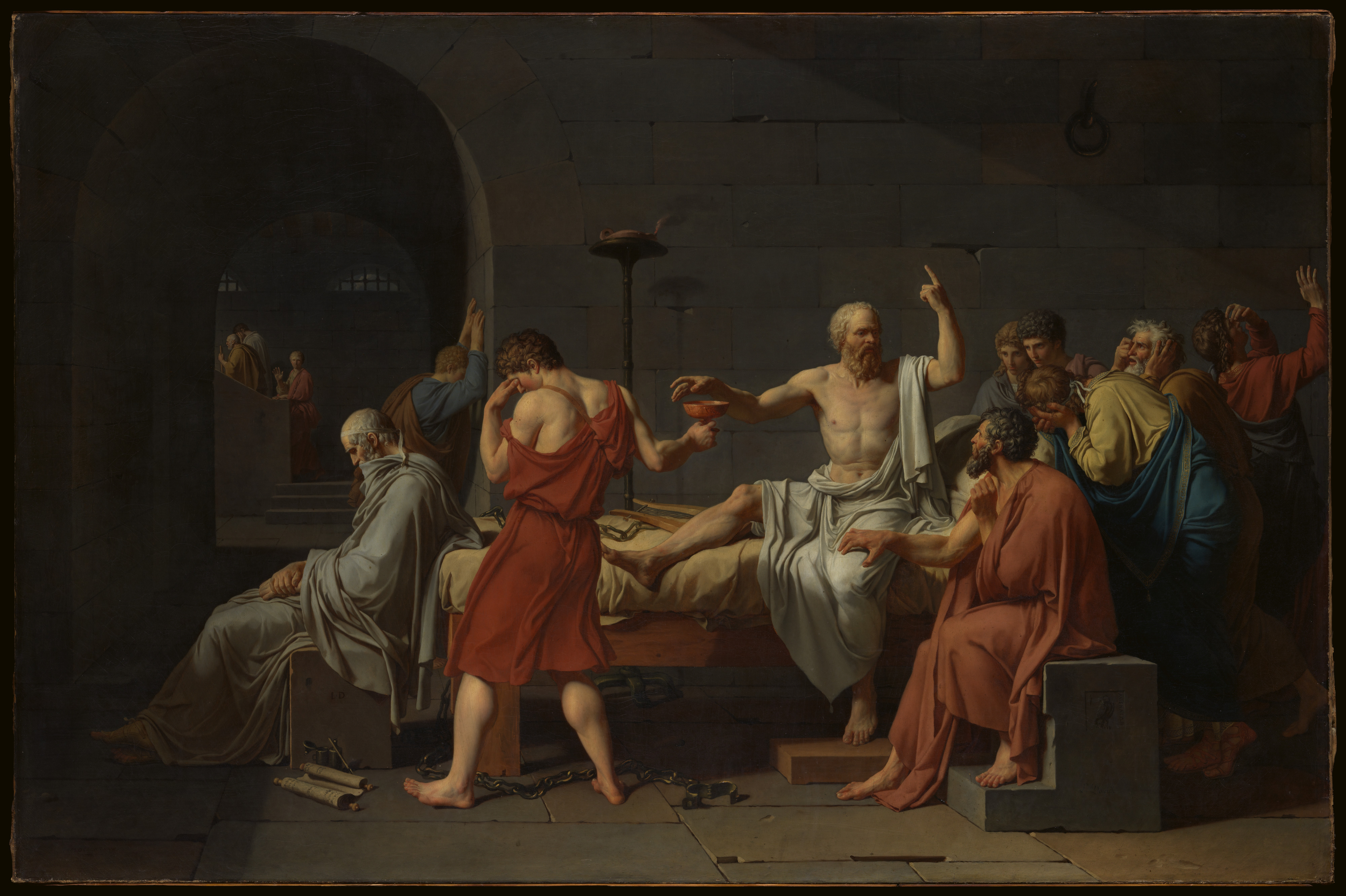
Jacques Louis David — "The Death of Socrates" (1787), public domain
Banished for Generosity
Cimon opened his estate to the public, never locked his orchard gates, and fed whole districts at his own expense. In any other city, he’d be sainted. In Athens, he was ostracized—the people feared men who gave too much, too publicly.
Politics of Suspicion
Democracy in Athens was a tightrope. After the Persian Wars, every gesture—no matter how generous—came with suspicion. Some whispered he was too close to Sparta, others feared his wealth. Ostracism wasn’t punishment for crime; it was a pressure valve for ambition.
Praised for fighting Persians and building Athens, Cimon was exiled when his generosity became politically inconvenient. Giving, in Athens, could look like an attempt at tyranny.
