
Cicero Exposes Corruption
"What remarkable shamelessness! What astonishing audacity!" — Cicero, In Verrem, Book I, Section 1.
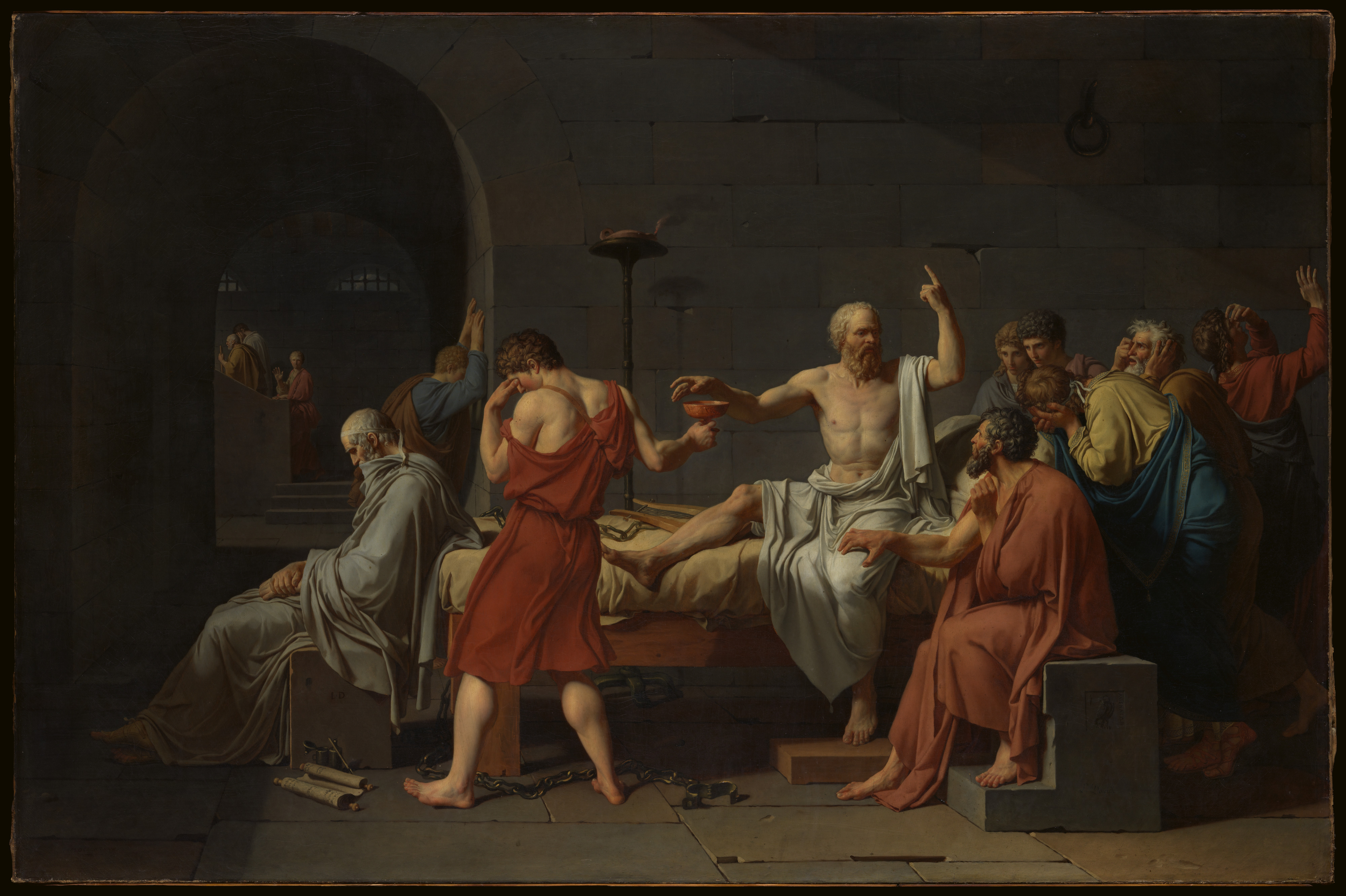
Jacques Louis David — "The Death of Socrates" (1787), public domain
Thunder in the Roman courts.
When Cicero opened his case against Gaius Verres—Rome’s most notoriously corrupt governor—he burst forth: 'What remarkable shamelessness! What astonishing audacity!' (In Verrem, I.1). The stunned crowd knew it was more than a complaint: it was an accusation aimed at the whole Roman elite.
Trial by oration, not just evidence.
Cicero’s speeches did more than lay out crimes. They turned the trial into public theater. His attacks on Verres’ greed and brazenness weren’t just about one man—they warned every senator watching: Rome’s reputation, and maybe its future, was on trial.
Cicero’s prosecution of Verres wasn’t just a legal battle; it was a public performance on the sickness at Rome’s heart—and it set the oratory bar for centuries.
