
Catullus: Burning for Lesbia
Catullus writes poems that sting and smolder—then brings them home, reading his heartbreak aloud at Roman dinner parties. The woman he calls Lesbia is married; Catullus doesn’t care. He wants her, and he wants the world to know.
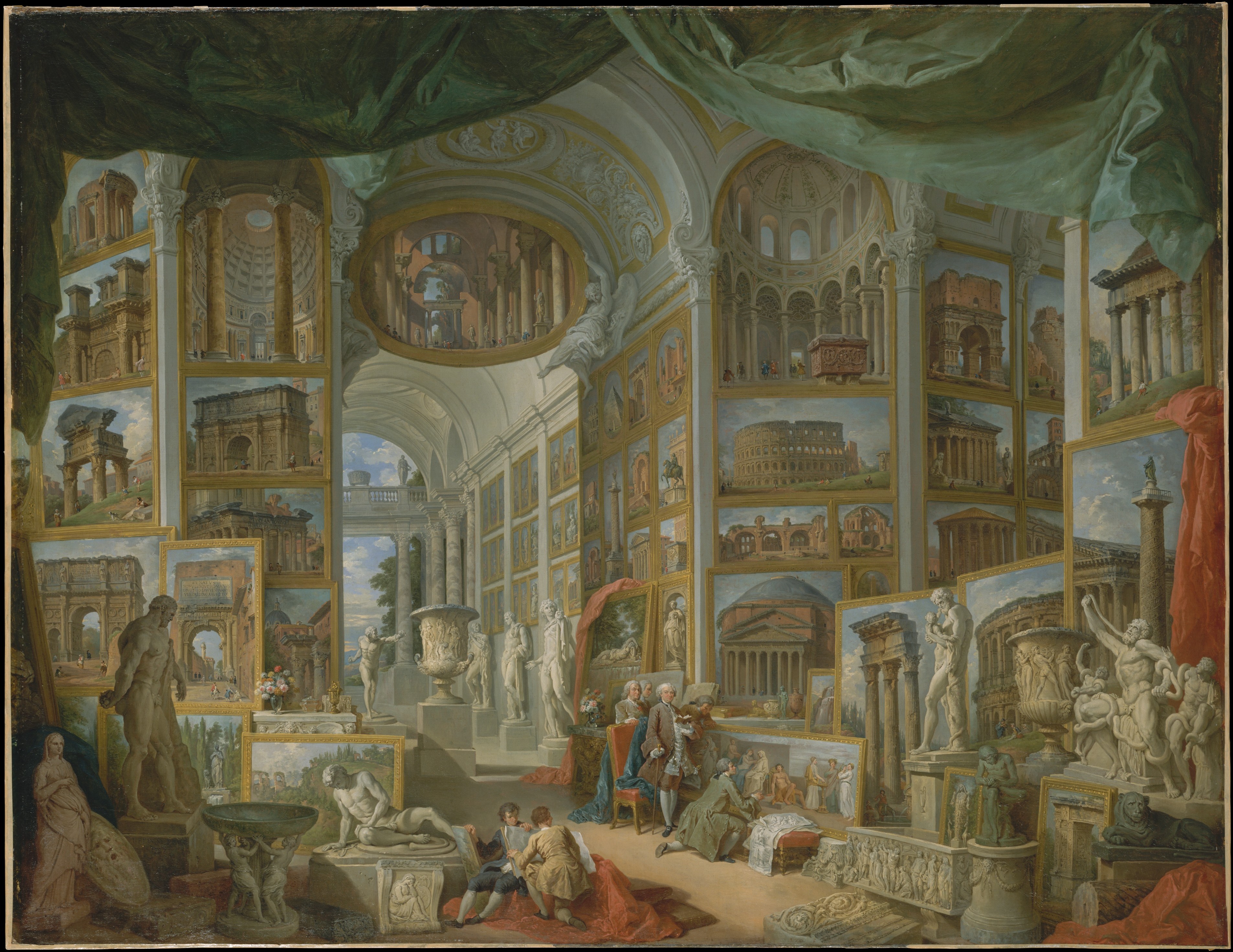
Panini — "Ancient Rome" (1757), public domain
Love Letters on Fire
Catullus writes poems that sting and smolder. He reads them aloud at dinner parties, naming his lover only as Lesbia—a married woman everyone recognizes. He wants her, and he wants the world to know.
Poetry That Shocks a City
In Republican Rome, poetry was supposed to flatter, not confess. Catullus pours jealousy, joy, and despair onto papyrus, mocking senators and baring private pain. His circle whispers. The city listens—and blushes.
Wounds That Still Bleed
Catullus changed poetry forever. His verses are raw, direct, and alive, a diary scorched with love and spite. Two thousand years later, you can still hear the heartbreak.
In a Rome obsessed with politics and power, Catullus lets private agony bleed into public verse. His poems hiss with jealousy and desire, mocking senators and naming lovers by code. The eyebrows of Rome arch higher with every scandalous stanza. For the first time, poetry becomes a diary—and Catullus’ wounds are still fresh two thousand years later.
