
Cato the Younger on Hidden Integrity
“I am not moved by the applause of the multitude; I am satisfied if I live and die with a clear conscience.” Cato the Younger, in Sallust’s history, gets put in the Latin: «Non me populus, sed recte facta agitare debent.» — “Not the people, but right actions, ought to move me.” He didn’t wait for witnesses.
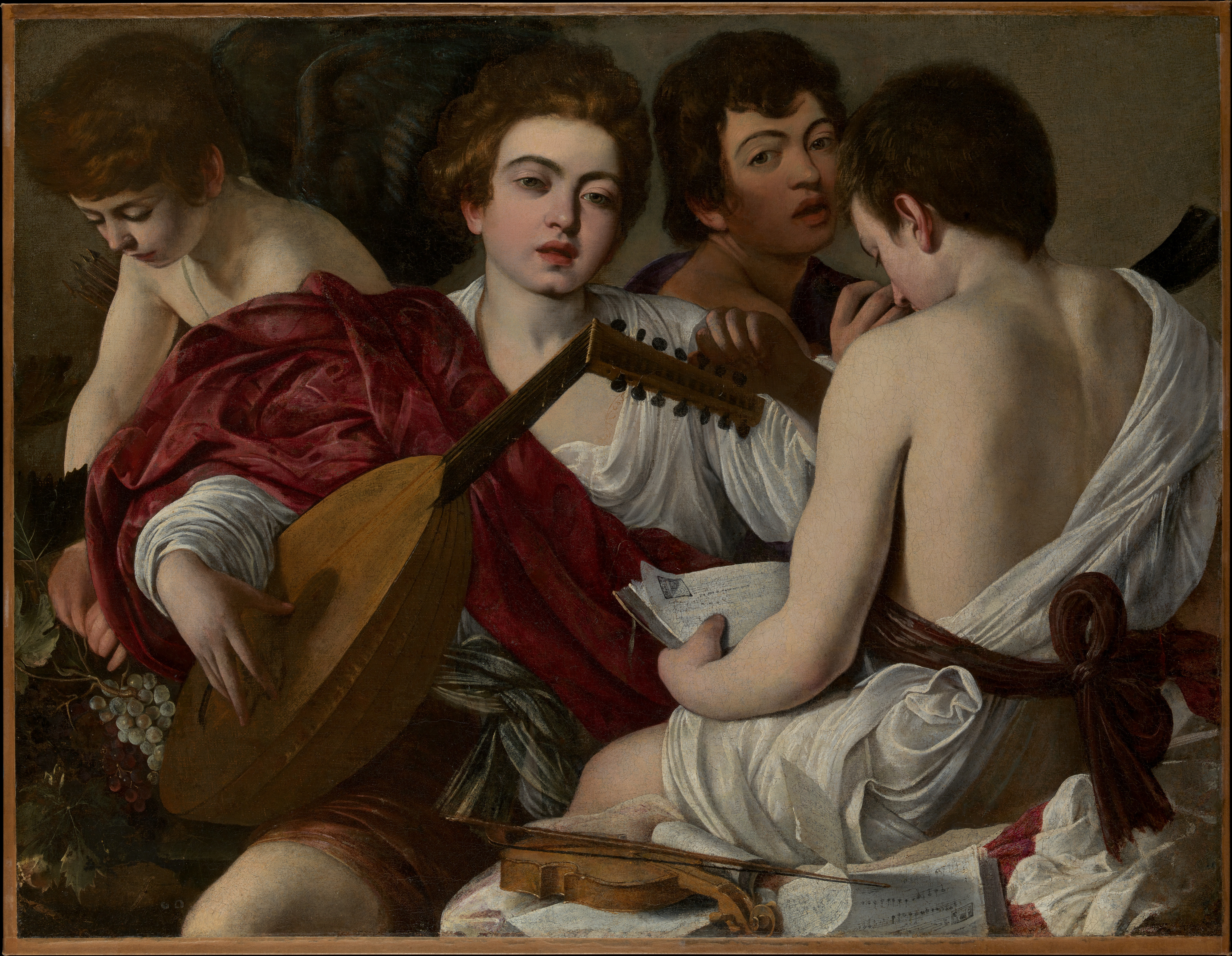
Caravaggio (Michelangelo Merisi) — "The Musicians" (1597), public domain
Cato’s code, not the crowd's.
Sallust, in The War of Catiline (Chapter 54), records: «Non me populus, sed recte facta agitare debent.» — “Not the people, but right actions, ought to move me.” Cato said this facing a Senate that lived for applause. He wanted silence, if it meant doing right.
Integrity is what you do in the dark.
Cato’s Stoicism saw public praise as poison. He believed the only measure that mattered was a conscience tested and unbribed. Virtue that needs witnesses isn’t virtue at all.
A man who wouldn’t bend.
Cato fought Julius Caesar, refused bribes, and ultimately chose suicide over surrender to an empire of shortcuts. Rome called him “Uticensis” for his final stand in Africa. His standard is brutal: live by your code, even when no one is watching.
Cato squared off with Caesar, Corruption, and the mob — but measured himself only by his own code. Virtue, for him, was what lived in the dark, unseen.
