
Were Athenian Silver Miners Always Chained Slaves?
We picture Athenian slaves chained in dark tunnels, lashed by overseers as they dig for silver. But the real story is even bleaker—and more complex.
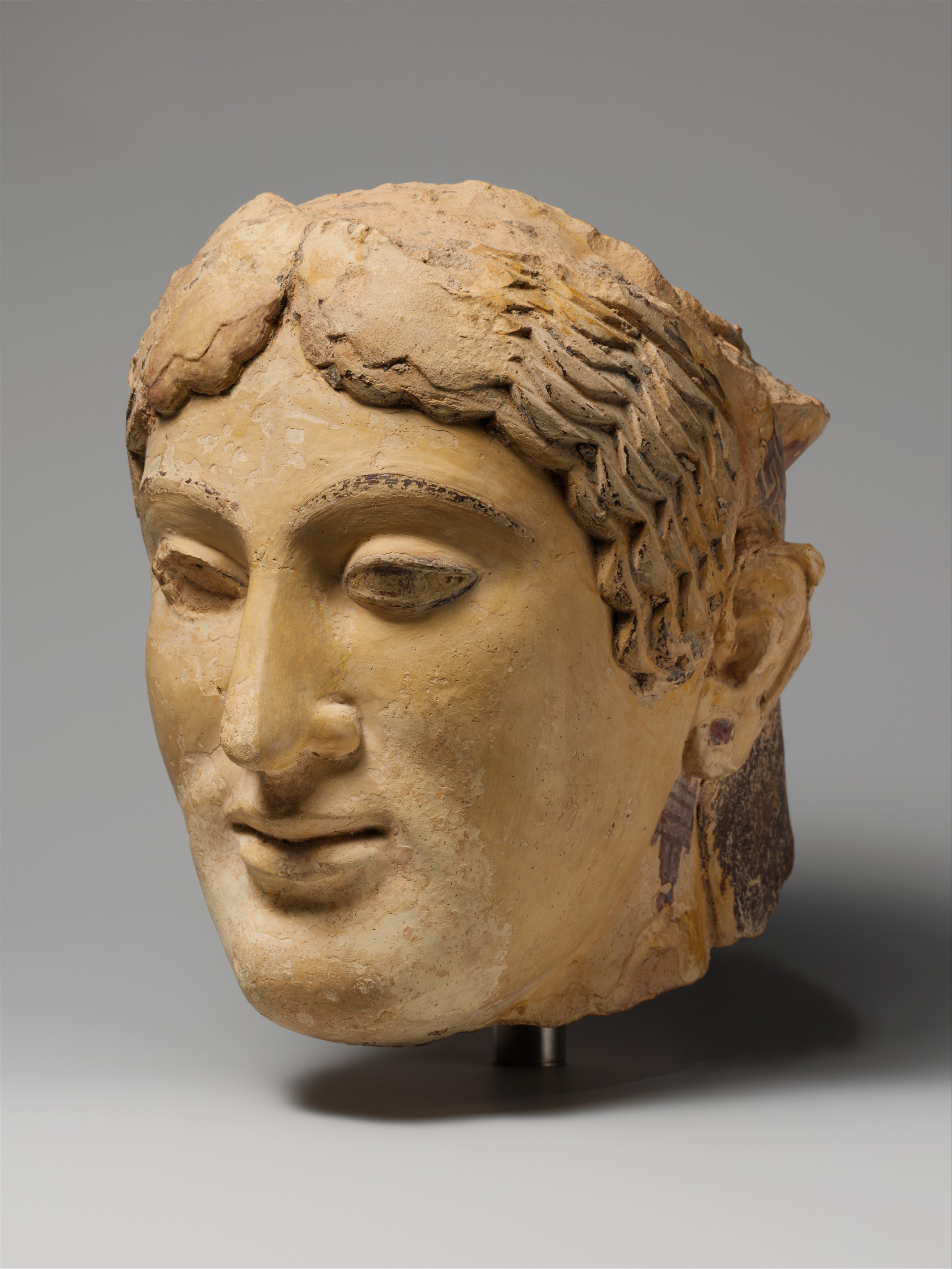
Unknown — "Terracotta head of a woman, probably a sphinx" (1st quarter of the 5th century BCE), public domain
The myth of shackles and whips.
Hollywood loves the image: lines of slaves, chained at the ankle, hacking rock for Athens’ silver coins while whips crack overhead. It’s a tidy story—suffering measured by the weight of cold iron.
Reality: The mine was the prison.
Archaeological digs at Laurion show something worse. Most slaves weren’t chained. They didn’t need to be: the pitch-black tunnels, deadly shafts, and constant collapse made escape suicidal. The labyrinth itself was a cage. Some slaves, especially skilled ones, even managed crews or earned minor privileges.
Why does the myth last?
The drama of chains fits our modern ideas of slavery, but Greek sources—like Xenophon—describe a system that relished cost-saving cruelty. Why buy iron shackles when fear and darkness do the work? Sometimes, the truth is less cinematic and more chilling.
Most Laurion miners went unchained because their odds of escape underground were zero. The mine’s deadly maze was prison enough. Some skilled slaves even became overseers themselves—proof that Greek slavery was more varied, and more chilling, than the simple movie version.
