
Who Rowed the Athenian Fleet?
Picture the Athenian war fleet: hundreds of slaves chained to their oars, sweating under the lash. That’s standard movie fare.
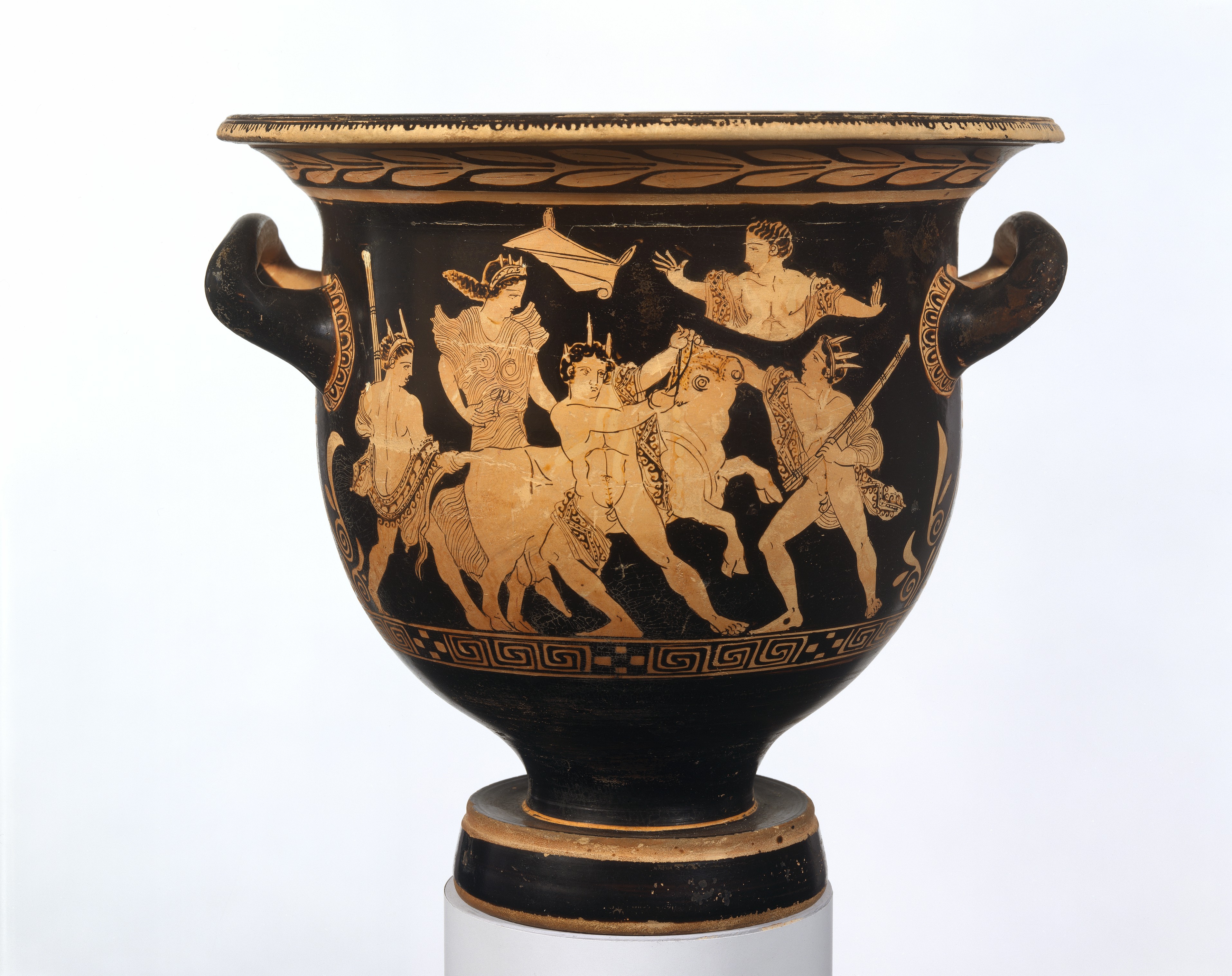
Kekrops Painter — "Terracotta bell-krater (bowl for mixing wine and water)" (ca. 410–400 BCE), public domain
Rowers as Slaves? Not in Athens.
The classic image: Athenian warships packed with slaves, backs blistered and chained, heaving for their masters. It’s how movies and old textbooks imagine Greek naval warfare. Most people still picture the trireme as an ancient galley of the damned.
Free Men at the Oars.
In reality, nearly all Athenian rowers were free citizens or metics (resident foreigners). Rowing was demanding, dangerous, and honorable. At Salamis, the fleet’s backbone was citizens—men who could vote, argue in the Assembly, and risk their lives for Athens. The city’s democracy depended on their power at sea.
The Slave Myth Rises Later.
So where did the myth come from? Later Roman galleys did use slaves or convicts as rowers. Hollywood blurred the lines, and the image stuck. But in Classical Athens, pulling an oar was a badge of freedom, not bondage.
Nearly all Athenian rowers were free citizens or resident foreigners, not slaves. Rowing was seen as a brave (and sometimes political) act, not a punishment.
