
Did Every Athenian Boy Learn to Read?
You picture every Athenian boy reciting Homer, pen in hand, surrounded by scrolls and wise old tutors.
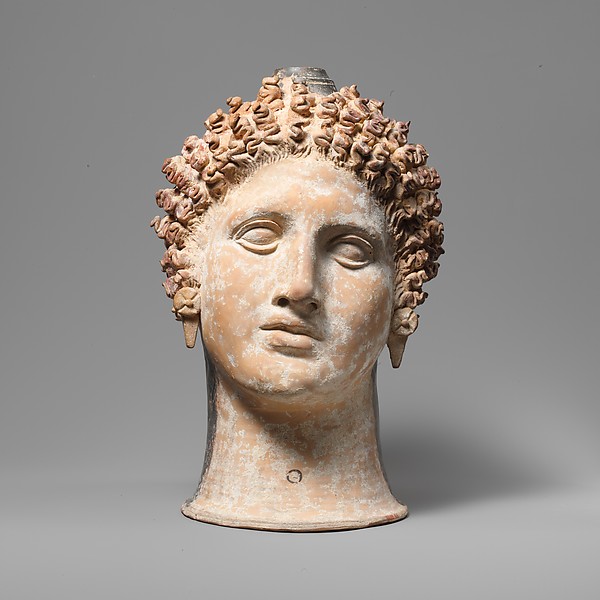
Did Every Athenian Boy Learn to Read?, public domain
The Myth of Universal Greek Education
Textbooks paint Athens as a city bursting with learned boys—every citizen reading and writing, stories flowing from scroll to ear. Surely in the birthplace of democracy, literacy was for all. Surely every boy met Socrates in a classroom, right?
Most Athenians Never Saw a Scroll
Reality check: even in democratic Athens, reading was a luxury. Aristocratic boys had tutors, but many citizens—especially craftsmen, laborers, and all women—never learned to read. Archaeological finds show only a fraction of the population left their mark in writing, and most daily life ran on memory and speech.
How Did This Myth Take Hold?
The illusion comes from the small, loud elite—politicians and philosophers who wrote about themselves and their friends. Centuries later, Romans and modern historians took this sliver for the whole cake. The reality? Oral culture dominated, and 'books for all' was just a dream until much later.
Literacy in Athens was far from universal—many citizens, and almost all women and non-citizens, never learned to read at all. The ideal of the educated Greek is mostly a product of aristocratic propaganda and later nostalgia.
