
The Day Aristides Was Ostracized
A man who served Athens with honor watched as his name was scratched onto pottery shards—by people who barely knew him.
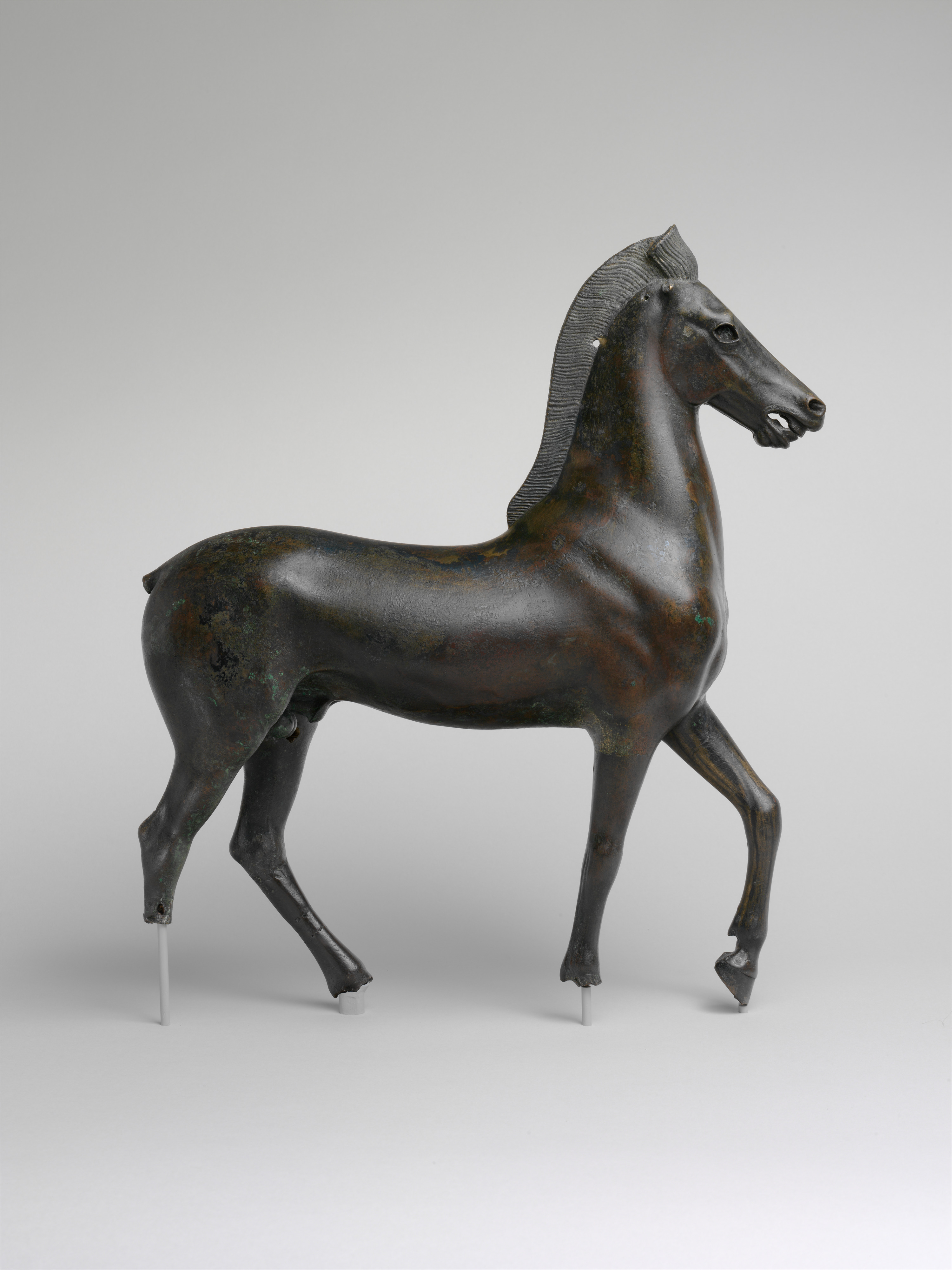
Unknown — "Bronze statuette of a horse" (late 2nd–1st century BCE), public domain
Scratched Out of the City
In Athens, citizens could vote once a year to exile anyone for a decade. All it took was a name scratched onto a potsherd—an ostrakon. Even Aristides, famous for his honesty, walked through the crowd as men wrote his name, some never having met him.
'I Am Tired of Hearing Him Called Just.'
Plutarch tells us that one voter asked Aristides to write 'Aristides' for him, not recognizing him. When asked why, the man replied, 'I am tired of hearing him called Just everywhere.' No crime. Just the weight of a reputation too heavy to love.
Ostracism: A Democratic Sword
Aristides left Athens quietly, but the system remained. Ostracism was safety valve and weapon, fame and exile twisted together. In a real democracy, sometimes virtue is its own political liability.
Athenians exiled Aristides, the so-called 'Just,' because democracy let even the virtuous be banished—sometimes out of boredom, envy, or simple politics.
