
The Day an Everyman Ruled Athens
One morning, a random draw made a potter named Hyperbolus the most powerful man in Athens — for a day.
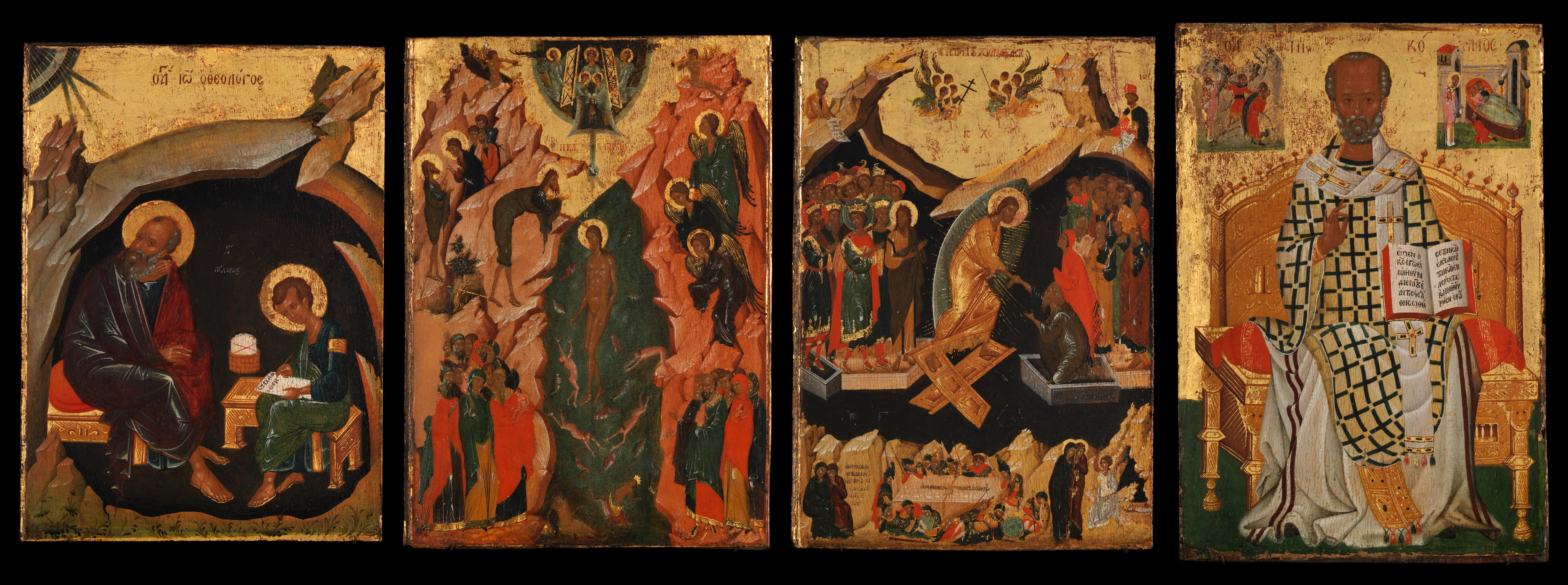
Unknown — "Four Icons from a Pair of Doors (Panels), possibly part of a Polyptych: John the Theologian and Prochoros, the Baptism (Epiphany), Harrowing of Hell (Anastasis), and Saint Nicholas" (early 15th century), public domain
Power by chance, not pedigree.
In democratic Athens, many public offices — and even the presiding chair of the Assembly — were filled by lottery. On a given day, any citizen’s name could be drawn from a pile of bronze tokens, propelling fishermen, shoemakers, or potters to the center of power.
Hyperbolus has the gavel.
The comic playwright Aristophanes jokes about ordinary men like Hyperbolus, suddenly wielding the authority to guide debates for a day. Decisions about war, taxes, alliances — all steered by the luck of the draw. It was so radical, even critics found it absurdly democratic.
When fortune rules the city.
This system was designed to thwart corrupt aristocrats and keep politics in common hands. And it worked — mostly. But it also meant Athens risked chaos, trusting the city’s fate to randomness, ambition, and whoever happened to show up.
Athenians trusted the fate of their city to chance: most officials were chosen by lottery, not election. Hyperbolus’ fleeting power reminds us how democracy, in Athens, meant power could truly land in anyone’s hands — sometimes, with odd results.
