
How Athenians Really Chose Their Leaders
You picture Athenian democracy: citizens casting ballots, electing their leaders—like a city-wide student council. But most officials weren’t elected at all.
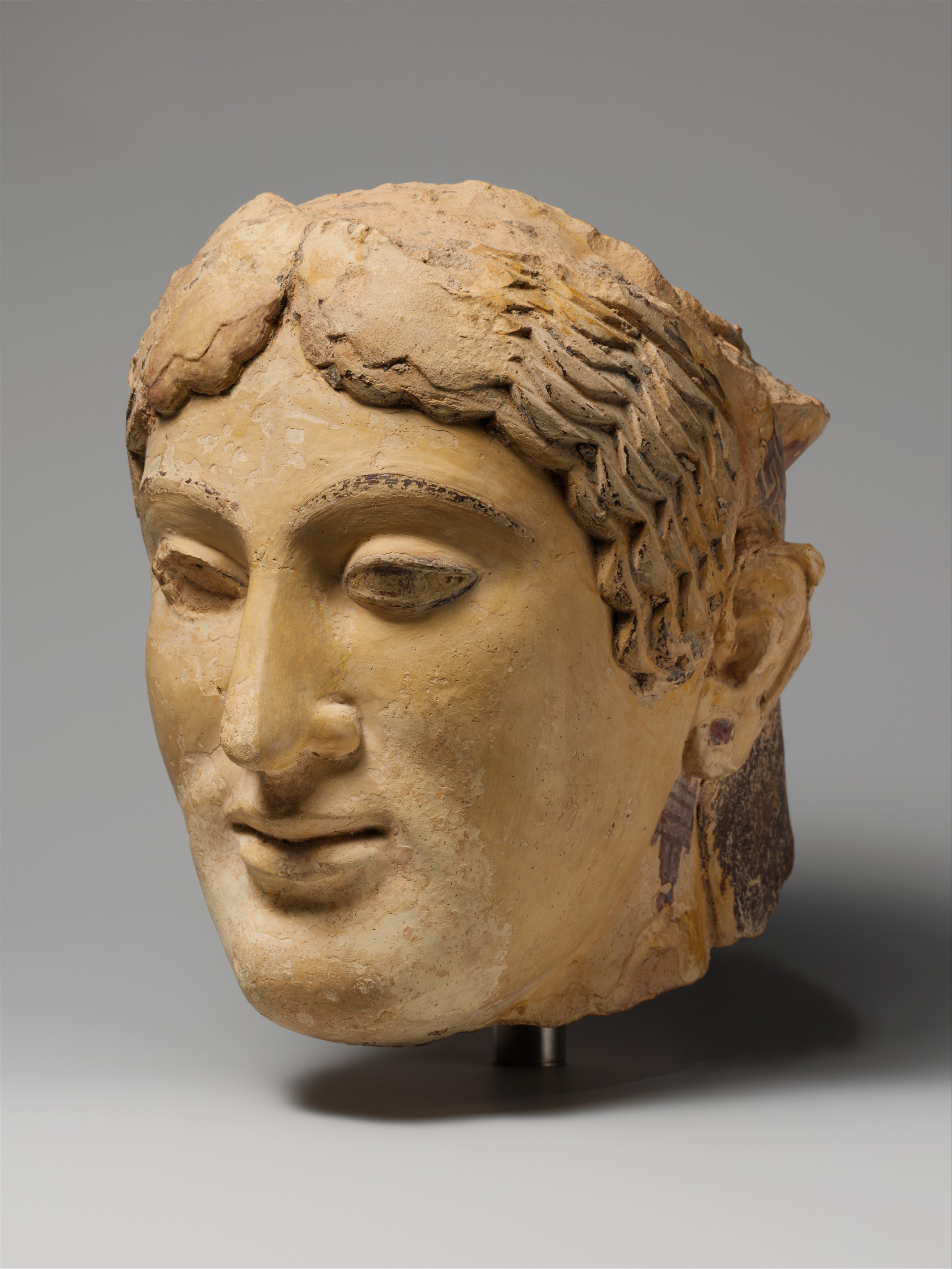
Unknown — "Terracotta head of a woman, probably a sphinx" (1st quarter of the 5th century BCE), public domain
Did Athenians vote for their leaders?
Most people imagine ancient Athenians lining up to elect their rulers, casting ballots like modern voters. The myth: every major leader won their role by winning the crowd. Turns out, the real story is much messier—democracy, but with dice.
Major offices were decided by lottery.
Key positions in Athens—running the city, judging the courts—were assigned by a random drawing. Citizens watched as black and white stones, or bronze tokens, tumbled in a special machine called the kleroterion. Elections were rare—mainly for generals and the top treasurer. Random chance was the default method.
Why a lottery?
Athenians distrusted campaigners. They believed real democracy meant anyone, rich or poor, could serve. Elections, to them, meant sliding back toward oligarchy—letting the slickest speaker or the richest man win, not the people themselves.
Athens put major offices up to random lottery, not elections. The idea? True democracy means every citizen gets a shot, not just the best talkers or the rich.
