
Artemisia, Queen of Caria, Sinks Her Own Ships
In the chaos of Salamis, a Greek queen fighting for Persia rammed her own allies to save herself.
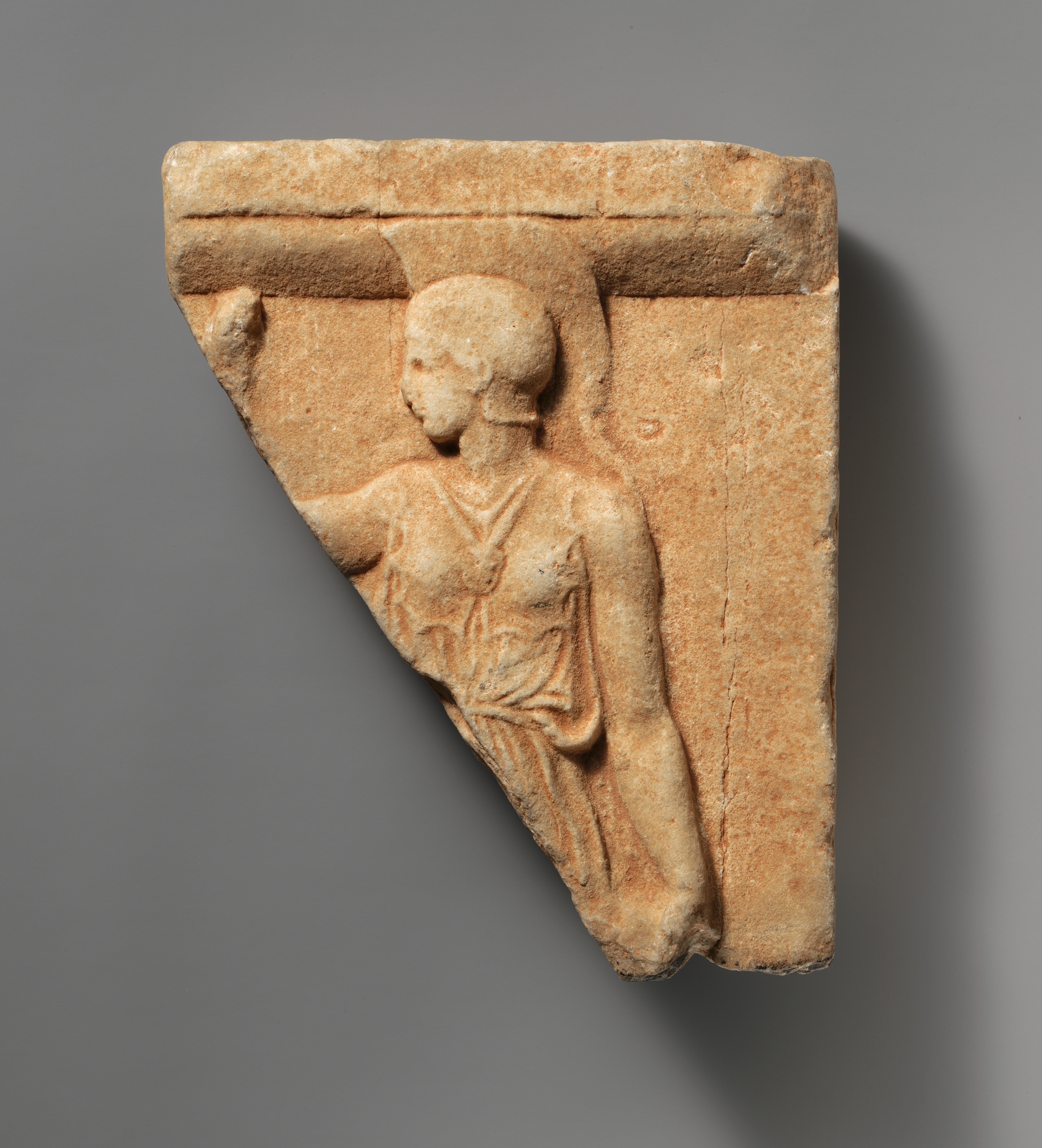
Unknown — "Marble fragment of a votive relief with Athena" (ca. 405–390 BCE), public domain
A queen in enemy colors.
480 BC. Artemisia, queen of Halicarnassus, sails for Persia against her fellow Greeks. As the Battle of Salamis turns to chaos, her galley is trapped—Greek triremes closing in from all sides. There’s nowhere to run.
She strikes her own fleet.
According to Herodotus, Artemisia makes her choice. She rams a friendly Persian ship, sending it to the bottom. The Greeks, thinking she’s switched sides, let her go. Xerxes, watching from his golden throne, is so impressed he says, 'My men have become women, and my women men.'
Treachery as heroism.
Artemisia survives, her reputation larger than ever. In a war of shifting allegiances, sometimes the greatest risk is betraying your own—especially if the king is watching.
Artemisia’s ruthless gamble fooled the Greeks and won Xerxes’ praise—sometimes survival means betraying your own.
