
Aristotle, Stranger in His Own City
Aristotle returns to Athens at forty, but he’s an outsider—son of a Macedonian doctor, not a citizen. He opens his school in the shade, just outside the city walls.
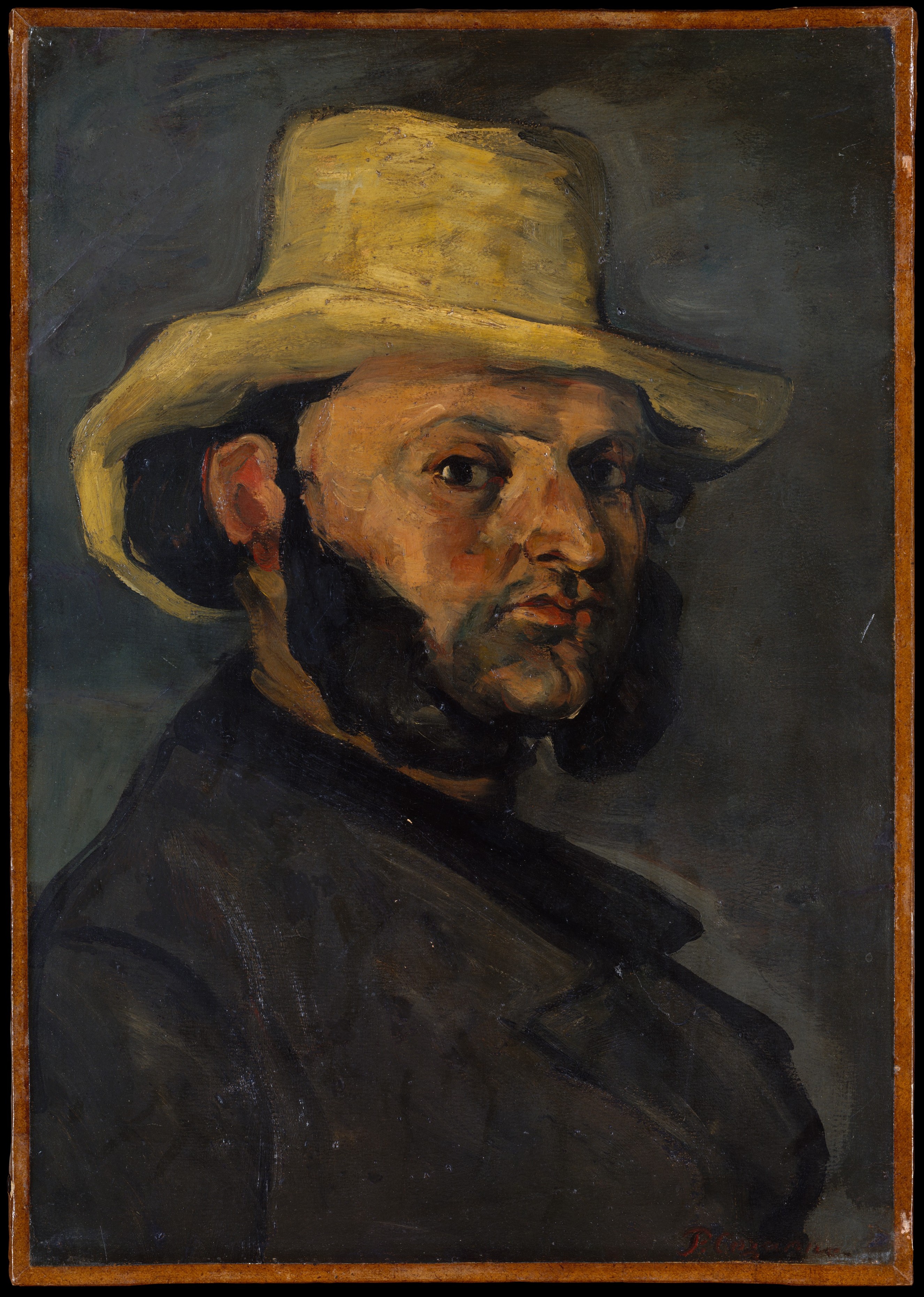
Aristotle, Stranger in His Own City, public domain
The Philosopher at the Edge
Aristotle returns to Athens after years in Macedon—tutor to Alexander, famous but foreign. He can teach, but never vote, never govern. His Lyceum sits just outside the city walls, a subtle reminder: Athens draws the line at citizenship.
A Mind Without a Country
Despite shaping logic, science, and ethics, Aristotle lives with one foot out the door. Athens executed his teacher Socrates for less. When political winds shift, Aristotle leaves—declaring he won't let Athens “sin twice against philosophy.”
Legacy in Exile
He dies far from Athens, his school left behind. Yet, centuries later, his ideas are at the heart of every university—proof that outsiders often write the rules of the game.
This philosopher, who shaped Western thought, was never truly at home in the city that prided itself on reason. His Lyceum operated on the margins, always aware that the wrong word could bring exile or worse. Athens let him teach, but it never let him belong.
