
Aristophanes: Laughter as a Weapon in Wartime Athens
On the night of a festival, Aristophanes mocks Athens—while the generals sit in the front row, forced to laugh at their own failures.
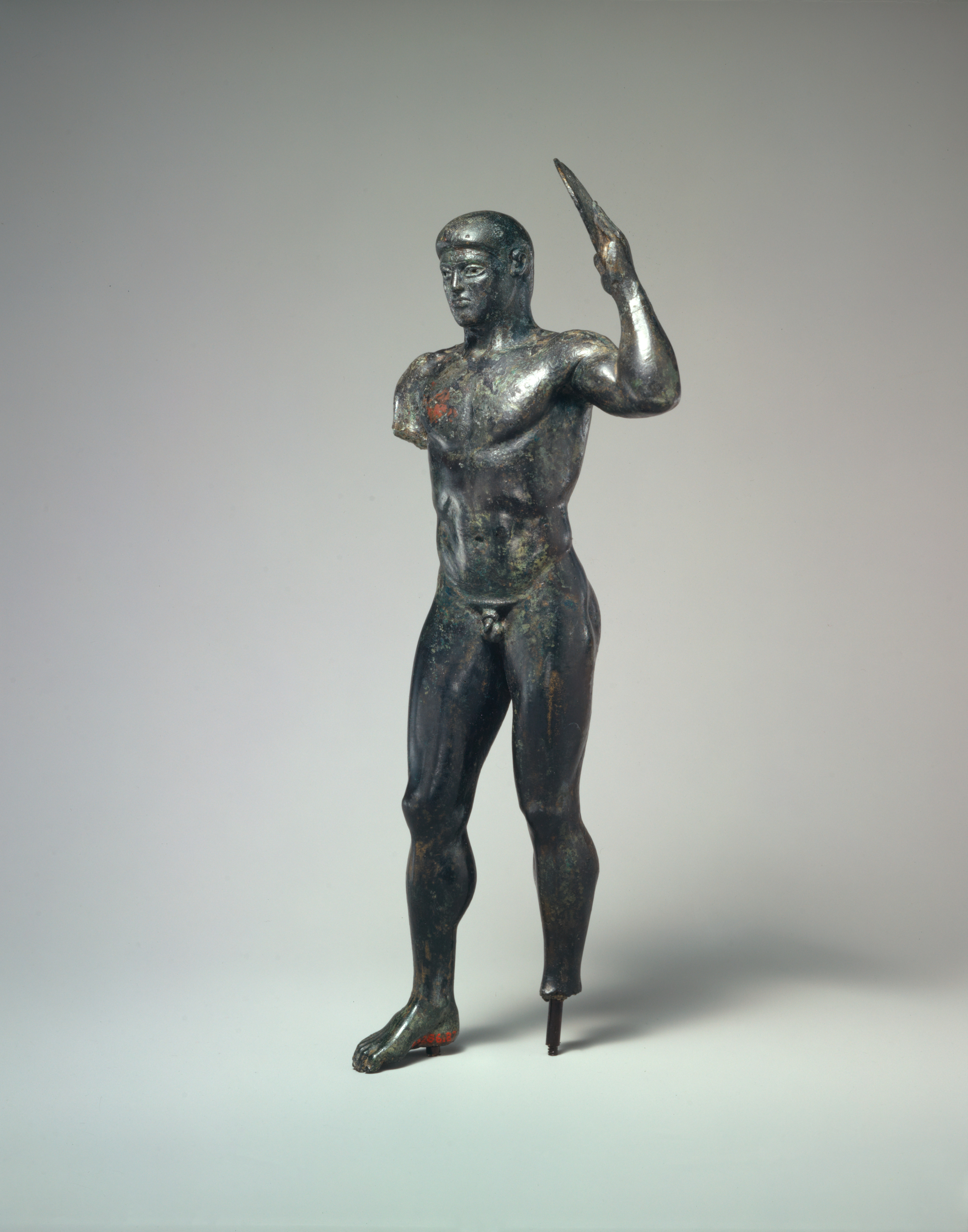
Unknown — "Bronze diskos thrower" (ca. 480–460 BCE), public domain
Comedy With Daggers
On stage, Aristophanes skewers politicians by name—lampooning Athens’ leaders for losing the war, wasting money, and betraying the city’s ideals. The crowd howls. The targets sit in silence, knowing everyone is watching their reaction.
Shaming the City in Public
In Classical Athens, comedy was not safe. Mocking generals, demagogues, and even the gods could land you in court. Aristophanes risked prosecution for every line. During the Peloponnesian War, laughter itself became a political act—one that could cost a playwright his freedom.
The Last Laugh Belongs to Truth
When war and politics poisoned public debate, Aristophanes offered a mirror—distorted, yes, but brutally honest. In a city obsessed with honor, it was the comic’s barbs that sometimes hit deepest.
He turned the city’s darkest moments into biting comedy, exposing hypocrisy while risking official wrath. Aristophanes’ stage was as dangerous as any battlefield.
