
Aristophanes: Laughter That Bites
He put politicians on stage, stripped naked and ridiculous, while they sat in the audience—unable to answer back.
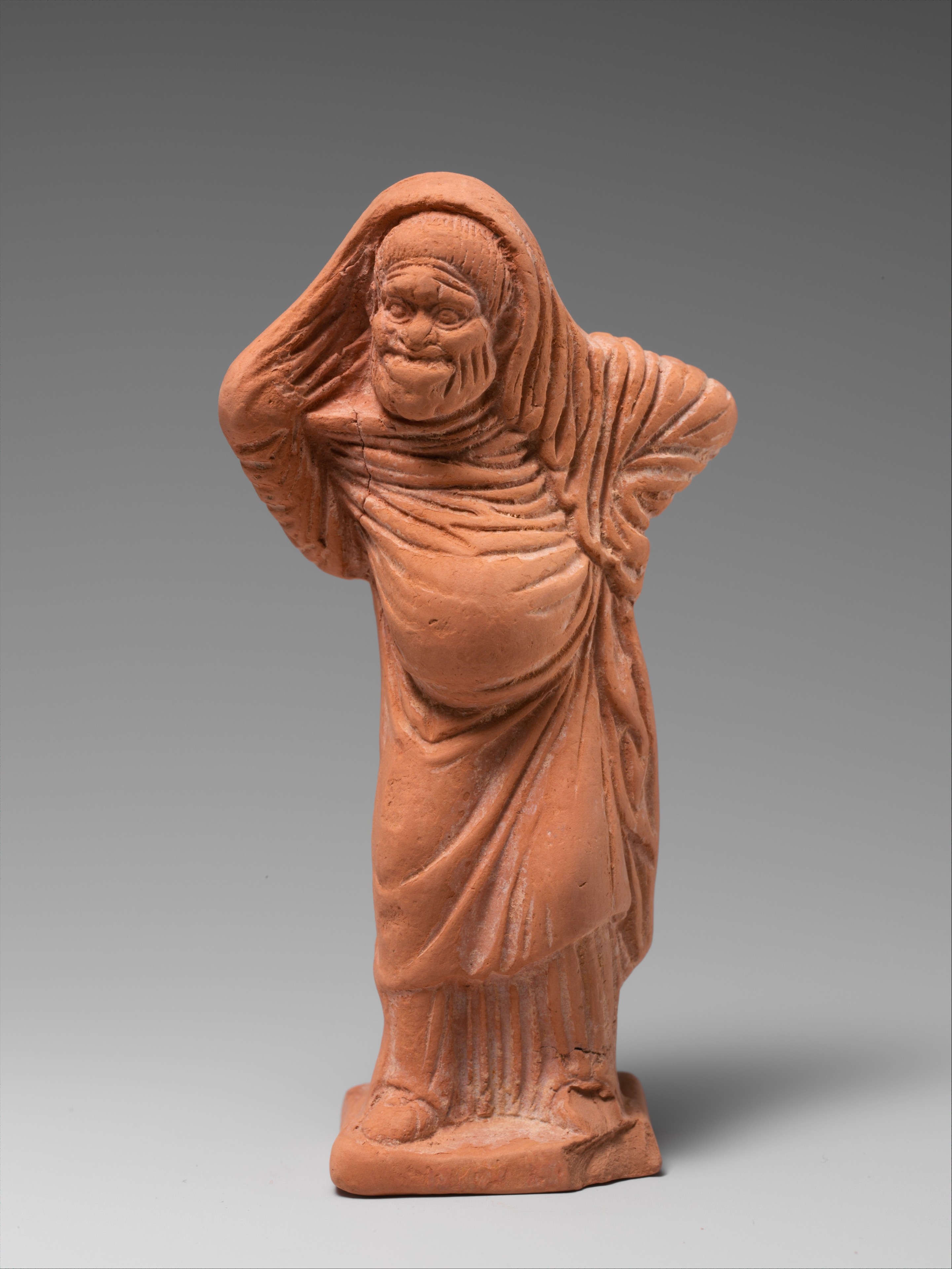
Unknown — "Terracotta statuette of an actor" (late 5th–early 4th century BCE), public domain
Mocking the Mighty, Live
Aristophanes once had politicians and generals watching as their own follies were paraded on stage—complete with crude jokes and full-frontal nudity. No one, not even war heroes, was safe from his wit.
Laughing in the Face of Power
Athenian democracy flourished on fierce debate, but Aristophanes added a new weapon: public mockery. His comedies, performed in the vast Theater of Dionysus, lampooned real leaders by name. The audience roared, cheered, sometimes howled in protest. The line between theater and politics blurred.
Satire as Civic Duty
Generals could sue, politicians could fume, but Aristophanes kept writing. His comedies were more than entertainment—they policed Athenian power with laughter that stung. When democracy is raw and loud, comedy is never just a joke.
In a city obsessed with liberty, Aristophanes risked everything to turn comedy into a weapon. His plays mocked generals, demagogues, and even the gods, often days after their scandals broke. Soldiers returned from war to see themselves lampooned in public, their flaws as exposed as their flesh onstage. This wasn’t safe laughter—it was democracy’s edge, sharper than any jury’s verdict.
