
Aristion, The Tyrant on the Acropolis
As Sulla’s legions storm Athens, Aristion locks himself inside the Parthenon—surrounded not by priests, but by armed men and gold statues melted for coin.
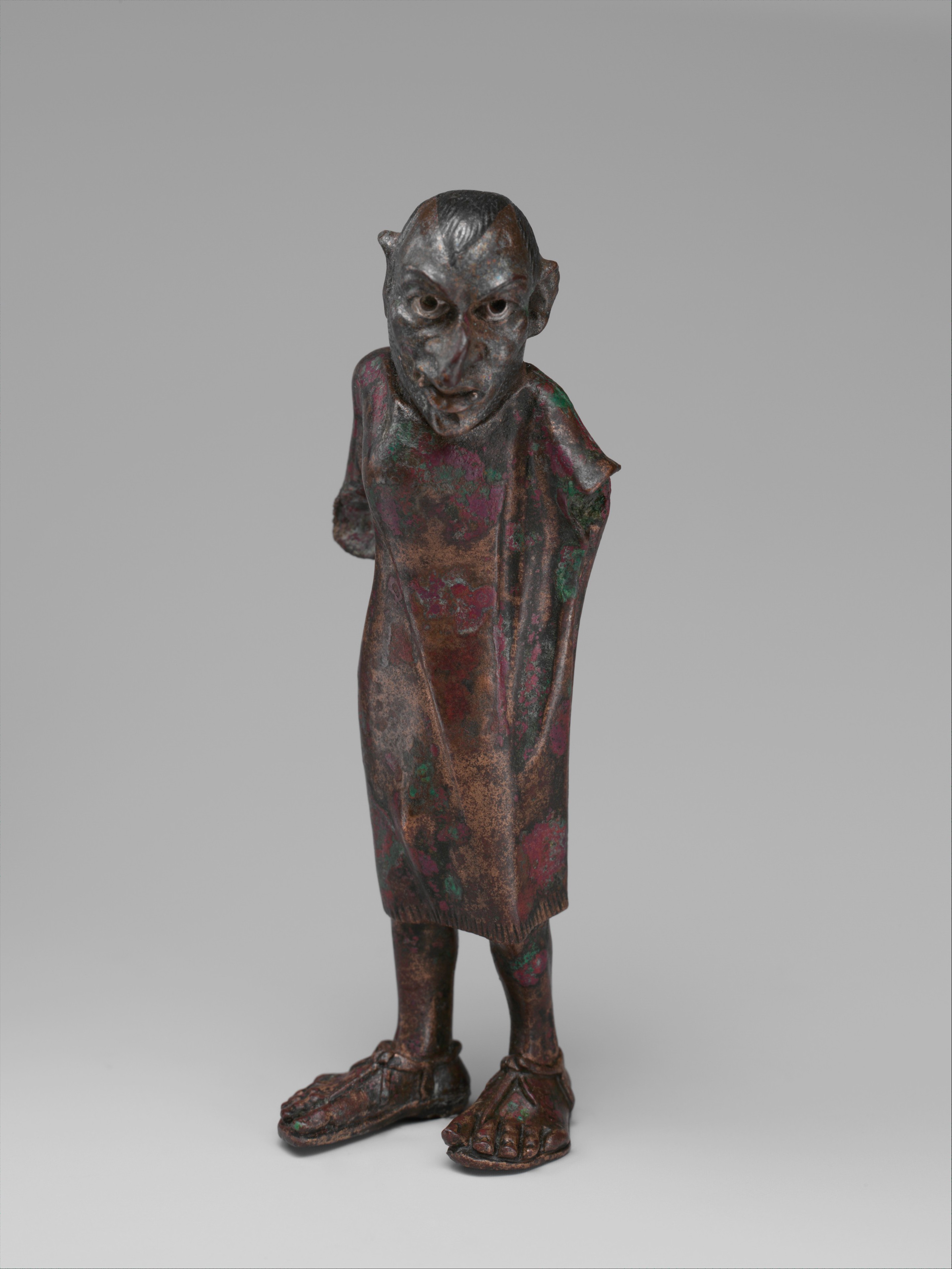
Unknown — "Bronze grotesque" (2nd century BCE–1st century CE), public domain
Gold Statues for Weapons
As the Romans closed in, Aristion ordered the sacred gold of Athena’s temple stripped and melted. Treasures meant for the gods became pay for soldiers and bribes for allies. For desperate Athenians, the smell of burning incense mixed with the reek of hot metal.
A Philosopher Turned Tyrant
Aristion had studied with scholars—then seized Athens as chaos raged between Rome and Mithridates. He ruled from the Acropolis, not as a statesman, but as a warlord, choking the city with hunger and fear. His Athens was a fortress of broken trust, not ideals.
No Last Words for Athens
When Sulla’s army broke through, Aristion was dragged from the Parthenon and killed. In the shadow of the divine, he died accused of sacrilege and tyranny. Athens would never trust a philosopher-prince again.
Aristion, once a philosopher, seized Athens in a time of chaos. He funded war by melting the city’s sacred treasures, turning gods into currency while the hungry rioted below. When Rome finally broke through, Aristion’s last stand wasn’t for philosophy or democracy—it was for power, holed up in the holiest place in Greece.
