
Archidamus II, The Voice of Caution
Sparta’s king stands alone in a hall of warriors, begging them not to rush into war with Athens. His words are cool water in a firestorm of pride.
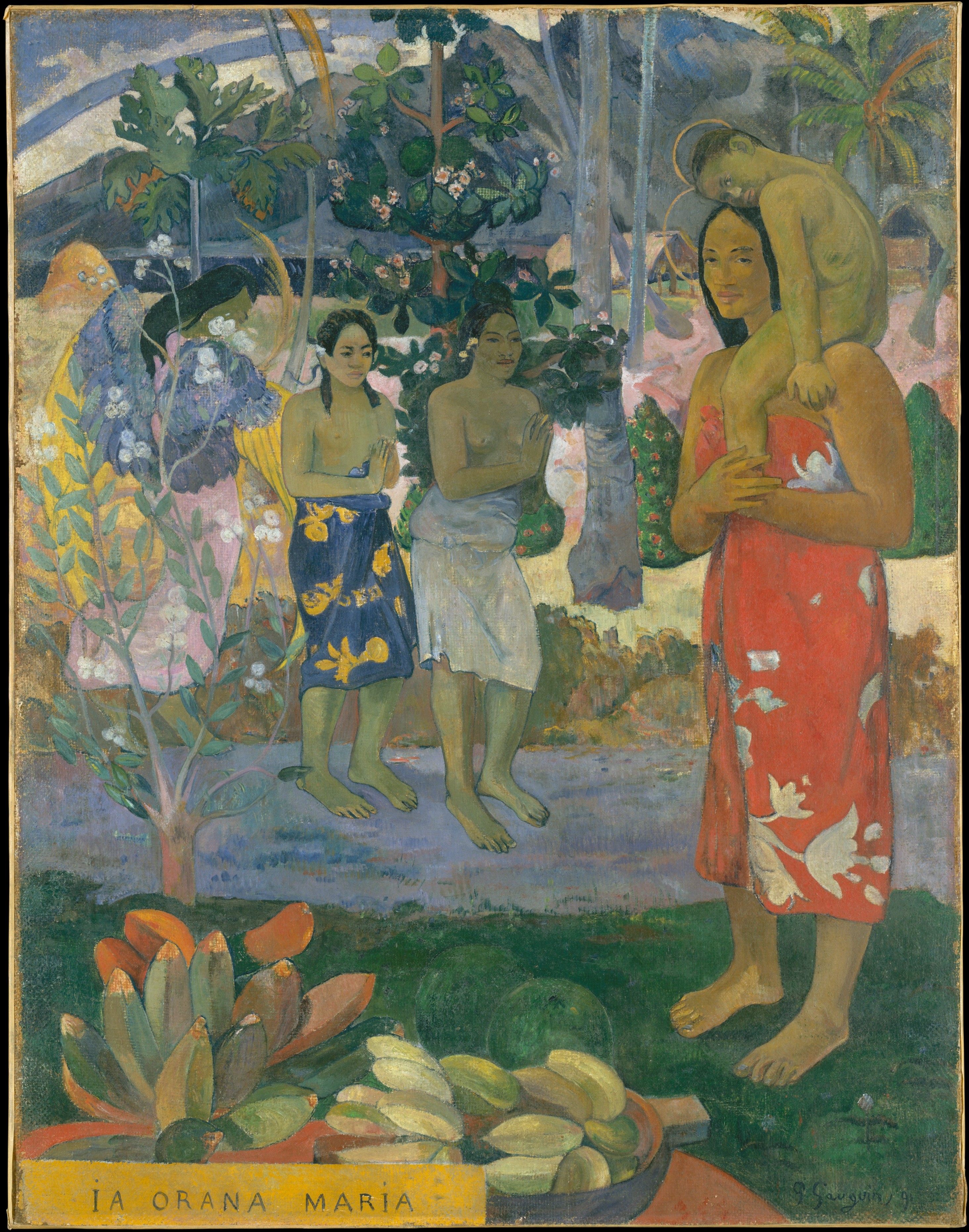
Paul Gauguin — "Ia Orana Maria (Hail Mary)" (1891), public domain
A King Against the Roar
Archidamus II rises in the Spartan assembly, voice calm above the eager murmurs. He warns his people: Athens is rich, cunning, and the war will not be quick. He stands almost alone—one steady reed in a storm of votes for battle.
Sparta’s Reluctant War
The city’s allies push for violence, inflamed by Athenian ambition. Sparta’s code is obedience, but Archidamus tries reason: delay, prepare, don’t let anger choose the hour. His caution fails. The Peloponnesian War begins—nearly three decades of ruin.
Wisdom Buried Beneath Spears
Thucydides records Archidamus’ speech, his warnings now read in quiet classrooms. The king’s caution is remembered—his people paid the price. Sometimes the bravest voice is the one that says: not yet.
Archidamus II pleads for calm, warning that Sparta isn’t ready for the war its allies demand. His voice echoes against armor and pride, but most refuse to listen. His caution can’t hold the tide. In a city famed for iron discipline, one king’s wisdom still gets drowned by the hunger for glory.
