
Antigone: Burial Over Law
A teenage girl stands at the edge of the city wall, dust clinging to her hands. She risks death to scatter earth over her brother’s corpse.
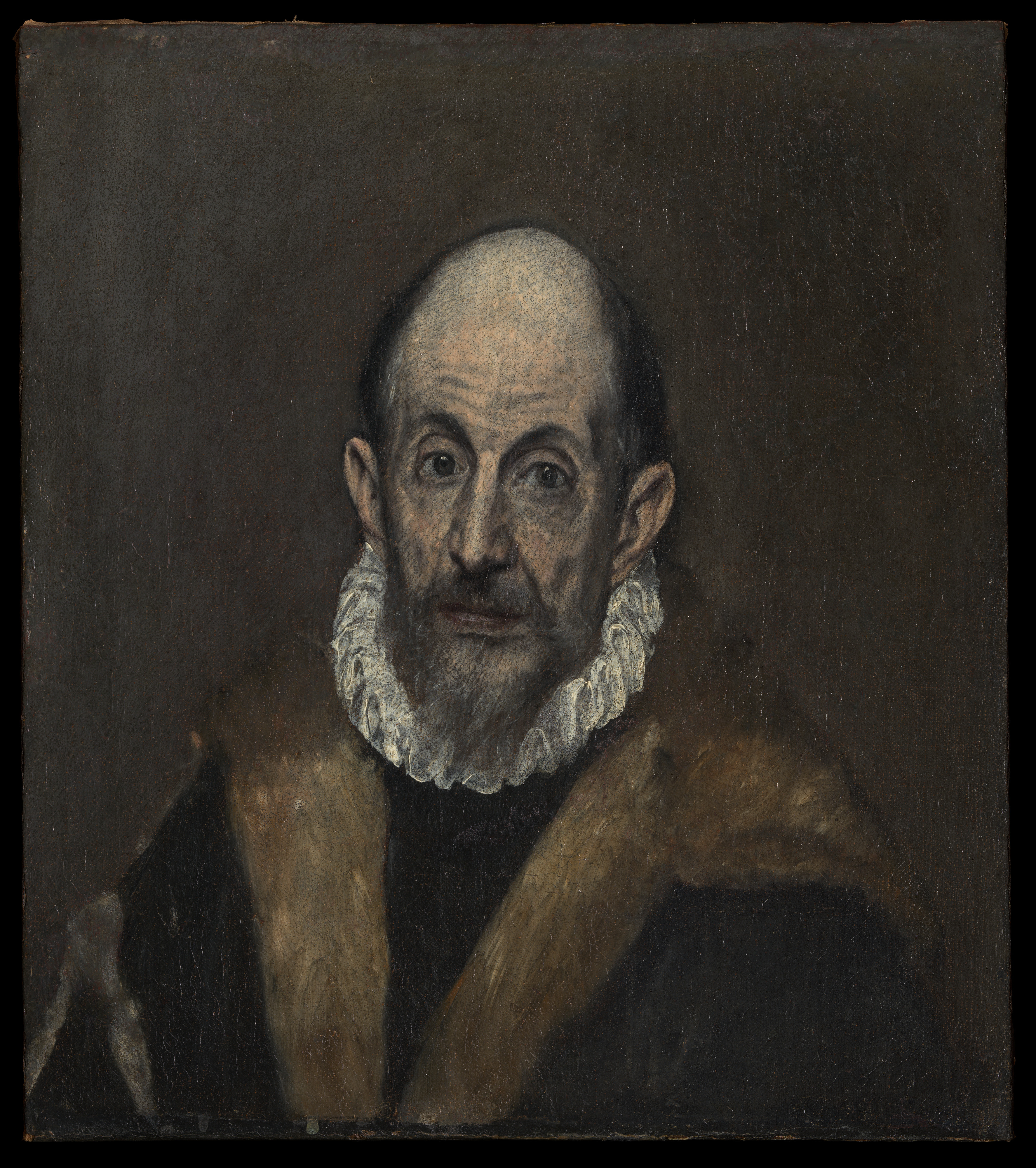
El Greco (Domenikos Theotokopoulos) — "Portrait of an Old Man" (ca. 1595–1600), public domain
Bare Hands, Forbidden Rites
A young woman kneels by her brother’s naked corpse, defying the king’s order. Dust slips through her fingers, a silent act louder than any speech. She knows the penalty is death.
Theban Law vs. Blood Ties
Thebes demands traitors stay unburied—the ultimate shame. Antigone chooses family, tradition, and the gods of the underworld over the king’s decree. Her choice throws the city into chaos, exposing the limits of human law.
Legend of Defiance
Antigone’s name echoes through centuries as a symbol of conscience over obedience. Her story asks: when does duty to the heart outweigh the command of rulers?
The law says leave traitors unburied, but Antigone refuses—family calls louder. Her act splits Thebes down its spine: obedience versus justice, the living versus the dead. Sophocles’ play immortalizes her courage, but also her doom.
