
Safety Deposit Boxes in Ancient Athens
Tucked into the floor of an Athenian house, a small stone chest sits buried—locked, sealed, and guarded by a curse.
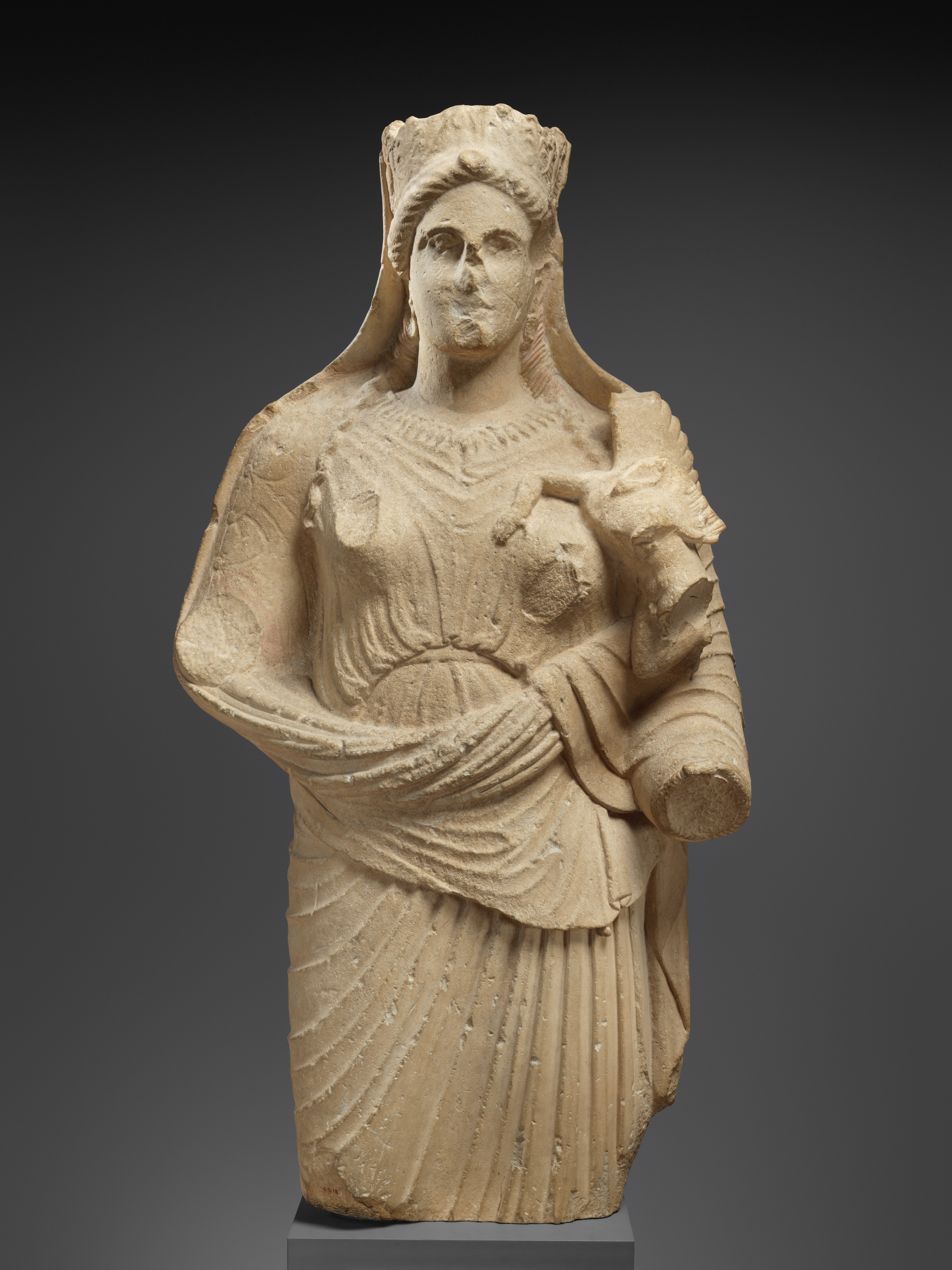
Unknown — "Limestone statue of Aphrodite holding winged Eros" (late 4th century BCE), public domain
Buried Treasure at Home
Tucked into the floor of an Athenian house, a small stone chest sits buried—locked, sealed, and guarded by a curse. This wasn’t for royalty. Ordinary Athenians kept their most prized possessions just inches from the hearth.
The Athenian Lockbox
Archaeologists have uncovered sunken strongboxes in domestic ruins—slabs of stone with iron rings, and sometimes scratched curses to ward off thieves. Inside: coins, wedding bands, even children’s toys. In Athens, safety meant hiding your wealth in the earth you walked on.
Many ordinary Athenians owned locked, sunken boxes built right into their homes—private strongboxes sunk beneath the floor, sometimes protected by inscribed curses. Archaeologists have found their stone covers intact, with metal rings once used for locking. Inside: coins, amulets, love tokens. In a city without police, the best vault was under your feet.
