
Roman Children Buried With Their Toys
Roman archaeologists have uncovered tiny dolls and toy chariots in tombs of young children—buried still holding their favorites.
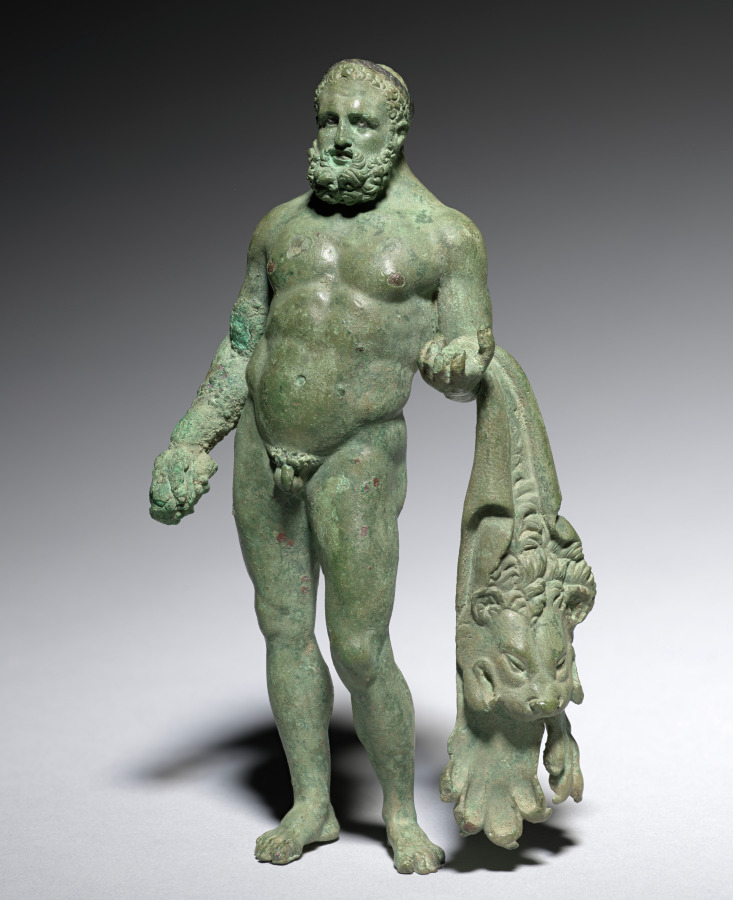
Unknown — "Hercules" (c. 30 BCE–20 CE), CC0
Children Clutch Toys in Roman Graves
Roman cemeteries, especially in sites like Pompeii and Ostia, have yielded toy dolls, carved animals, and wooden chariots from children’s tombs. Often, these objects show heavy wear—scuffed surfaces and even teeth marks. Kids weren’t buried with generic treasures, but with the battered toys they actually played with.
More Than Offerings: Real Life, Frozen
Archaeologists believe these toys weren’t luxury grave goods, but genuine daily companions. The dolls’ movable limbs and the faded paint on wooden animals show hours of play. In death, Romans honored what mattered in life: letting a child keep their smallest joys, even on the last journey.
In Roman cemeteries, especially around Pompeii and Ostia, grave goods for children often included miniatures: wooden dolls with jointed limbs, carved animals, or even tiny wheeled carts. These weren’t lavish gifts for the afterlife—they were the well-loved toys kids clutched every day. Archaeologists trace teeth marks and worn-out joints, proof of real play. Death came young, but childhood was filled with treasures.
