Fragmenta.
Cómo FuncionaPreciosHoyBlogENDescargar para iOS
EN
Hoy›Cita
Cita·Roma Antigua·Imperial Rome

Musonius Rufus on Leading by Example

"Nothing is more shameful than teaching what one does not practice." Musonius Rufus, the blunt Stoic, forced his students to walk the talk: «αἴσχιστον ἐστὶ διδάσκειν ἃ μὴ πράττει.» — "It is most shameful to teach what one does not do."
Musonius Rufus on Leading by Example

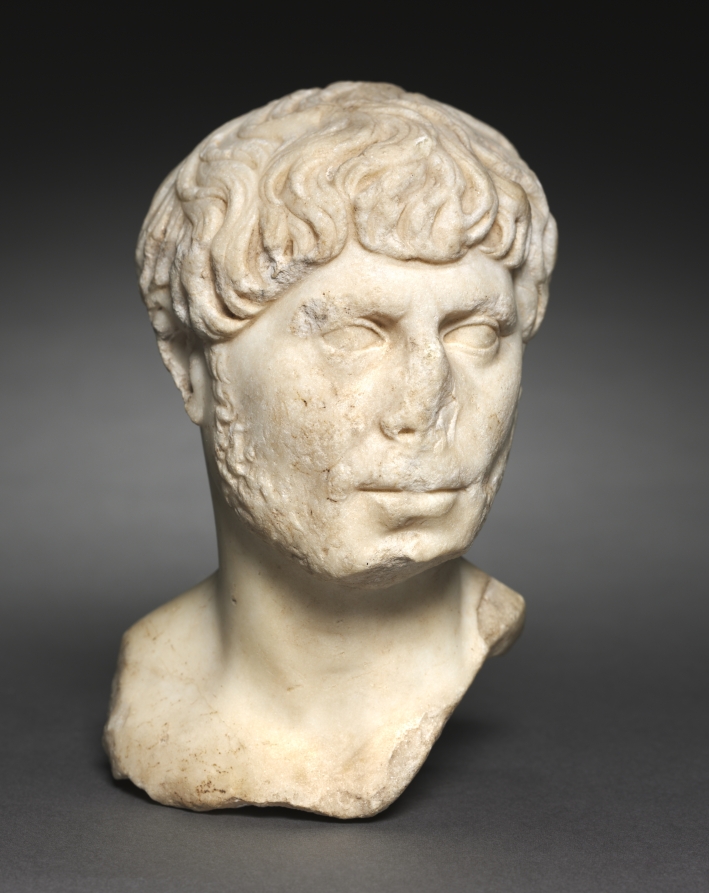
Unknown — "Head of a Bearded Man" (c. 125 CE), CC0

Don't just talk the talk—walk it.

Musonius Rufus, in fragments preserved by Stobaeus (Anthology 3.29.80), says: «αἴσχιστον ἐστὶ διδάσκειν ἃ μὴ πράττει.» — "It is most shameful to teach what one does not do." He believed every word from a philosopher should match their actions.

The Stoic teacher who lived it.

Musonius trained his students not just in argument, but in self-control, hard labor, and even how to eat and sleep. Hypocrisy was, to him, the worst failure. He was exiled for speaking out, but never broke his rule: if he taught it, he did it.

The Stoic drill sergeant.

Musonius was no armchair philosopher—he was called the Roman Socrates, famous for his fierce presence and zero tolerance for excuses. The line between saying and doing? For Musonius, there was none. That’s why his students followed him, even into exile.

Musonius didn't just preach virtue—he demanded it, even from himself. For him, philosophy was action. Anything else was just noise.

Sigue leyendo en la app

Fragmentos diarios de historia antigua, diseñados para tu rutina matutina.

Descargar para iOS
5.0 en la App Store

Sigue leyendo

Historia · Classical Athens, 415 BC

The Mystery of the Mutilated Herms

On the eve of war, dozens of sacred statues across Athens lost their faces—literally hacked off in the night.

Cita · Imperial Rome

Epictetus on Listening

"Nature gave us one tongue and two ears so that we may listen more and talk less." Epictetus, whose silence could shame an emperor.

Un Día Como Hoy · Hellenistic Greece meets Republican Rome

On This Day: Pyrrhus Lands in Italy

May 4, 280 BCE: Pyrrhus of Epirus steps onto Italian soil with 25,000 men—and 20 war elephants, the likes of which Rome had never seen.

Dato · Classical Greece (5th–4th c. BCE)

Pet Dogs on Athenian Tombstones

An Athenian tombstone from 450 BCE shows not just a citizen—but his small, fluffy dog, carved sitting at his feet.

Fragmenta.

Hecho con cuidado para la historia que lo merece.

App Store

Producto

Cómo FuncionaFragmentos DiariosCaracterísticasHoy en la HistoriaBlogDescargar

Legal

Política de PrivacidadTérminos de ServicioEULASoportePrensa

Conecta

TikTok
© 2026 Fragmenta. Todos los derechos reservados.