Fragmenta.
Cómo FuncionaPreciosHoyBlogENDescargar para iOS
EN
Hoy›Historia
Historia·Roma Antigua·Early Republican Rome (circa 508 BCE)

Women Save Rome at the Sacred Bridge

Roman men panicked as the Sabines pressed the attack—until their wives, caught between two sides, rushed into the battlefield and stood between the swords.
Women Save Rome at the Sacred Bridge

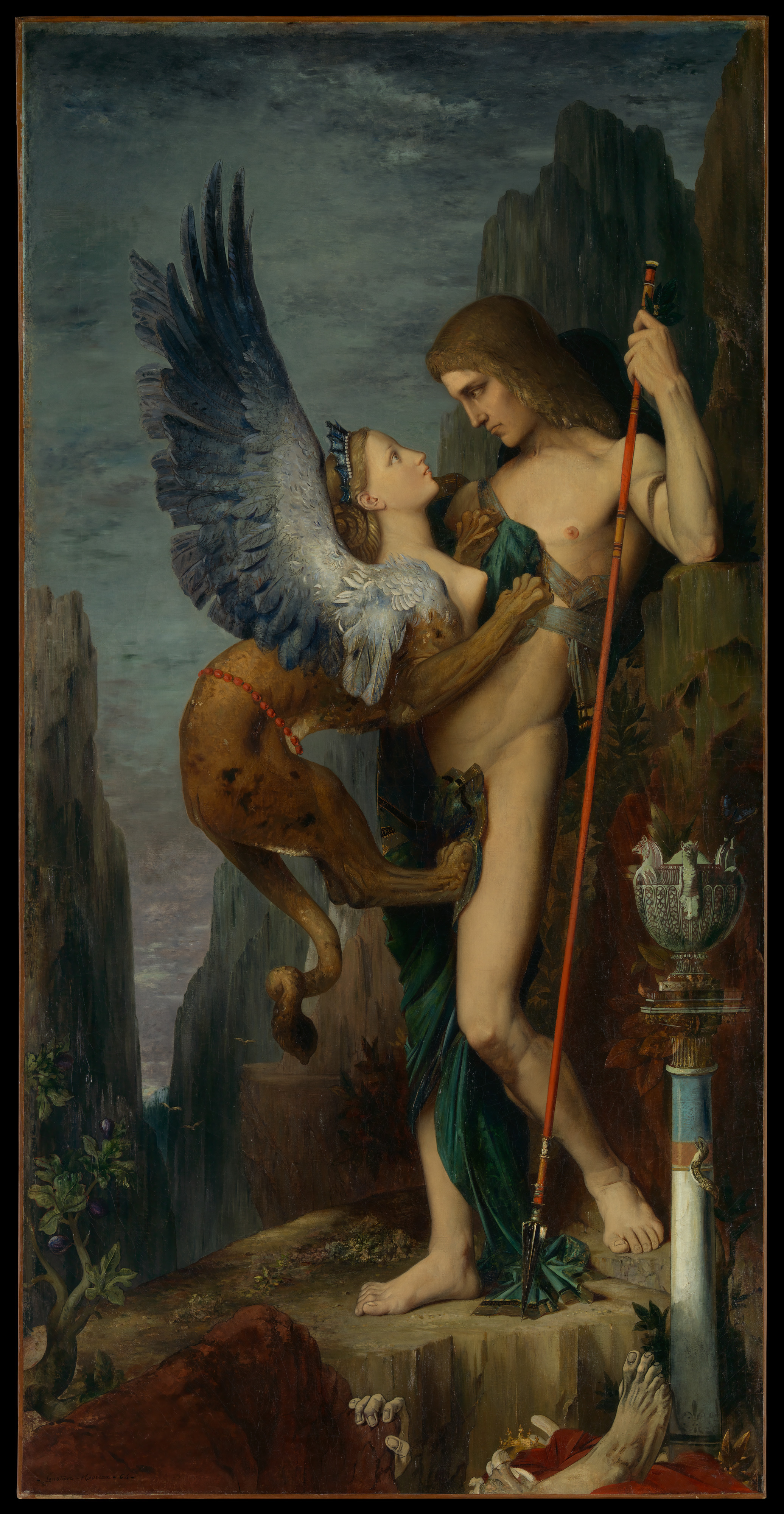
Gustave Moreau — "Oedipus and the Sphinx" (1864), public domain

A war started by abduction.

In Rome’s earliest days, desperate for allies (and wives), Romans seized Sabine women during a festival. Years later, the Sabines swept down to take revenge—battles raged on the city’s doorstep, swords red with blood.

The women in the middle.

As the two armies clashed, the Sabine women—now wives and mothers to both camps—ran onto the field, hair undone, children in their arms. They threw themselves between spears and shields, begging fathers and husbands to stop. Livy describes a silence falling, the battle lines blurring in shock.

Peace at swordpoint.

The fighting broke. Both sides agreed to unite, forging the two peoples into one. Rome gained more than new citizens—it saw, for a moment, that the bravest act can be stepping into the crossfire, unarmed.

In the chaos of Rome’s early history, a group of women forced two armies to lay down their weapons simply by standing between them—reminding everyone that some peace is won with nerve, not steel.

Sigue leyendo en la app

Fragmentos diarios de historia antigua, diseñados para tu rutina matutina.

Descargar para iOS
5.0 en la App Store

Sigue leyendo

Historia · Classical Athens, 415 BC

The Mystery of the Mutilated Herms

On the eve of war, dozens of sacred statues across Athens lost their faces—literally hacked off in the night.

Cita · Imperial Rome

Epictetus on Listening

"Nature gave us one tongue and two ears so that we may listen more and talk less." Epictetus, whose silence could shame an emperor.

Un Día Como Hoy · Hellenistic Greece meets Republican Rome

On This Day: Pyrrhus Lands in Italy

May 4, 280 BCE: Pyrrhus of Epirus steps onto Italian soil with 25,000 men—and 20 war elephants, the likes of which Rome had never seen.

Dato · Classical Greece (5th–4th c. BCE)

Pet Dogs on Athenian Tombstones

An Athenian tombstone from 450 BCE shows not just a citizen—but his small, fluffy dog, carved sitting at his feet.

Fragmenta.

Hecho con cuidado para la historia que lo merece.

App Store

Producto

Cómo FuncionaFragmentos DiariosCaracterísticasHoy en la HistoriaBlogDescargar

Legal

Política de PrivacidadTérminos de ServicioEULASoportePrensa

Conecta

TikTok
© 2026 Fragmenta. Todos los derechos reservados.