Fragmenta.
Cómo FuncionaPreciosHoyBlogENDescargar para iOS
EN
Hoy›Un Día Como Hoy
Un Día Como Hoy·Roma Antigua·Republican & Imperial Rome

On This Day: The Kalends of May

May 1 on the Roman calendar—the Kalends of May—meant fresh tabulae, debt deadlines, and a city in reset mode.
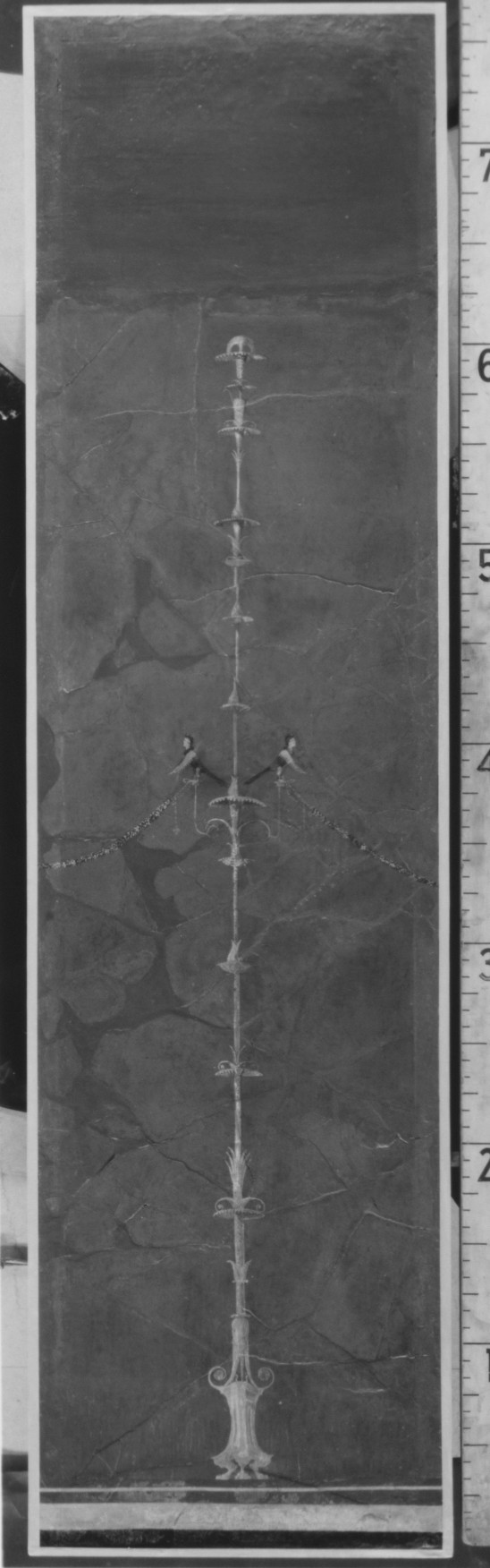
On This Day: The Kalends of May

Unknown — "Wall painting on red ground: candelabrum, from the imperial villa at Boscotrecase" (last decade of the 1st century BCE), public domain

The Kalends: Roman new month, new rules.

May 1 was the Kalends—the first day of the month on every Roman calendar. You’d scrape clean your wax tablets, tally debts, settle up with creditors, and mark new contracts. Forget spring cleaning—this was financial cleaning.

A legal and religious turning point.

Priests offered sacrifices to Juno, goddess of beginnings, and magistrates announced the new month’s schedule. The Kalends also reset the market cycle, triggering another round of eight-day nundinae.

For Romans, time was a tool—not just a number.

The Kalends gave order to chaos: debts had to be paid, oaths reset, and the city could move on—until the next bill came due.

Every Roman month opened on the Kalends. It was a legal reset, a day for paying off debts, starting contracts, and flipping the calendar’s wax tablets.

Sigue leyendo en la app

Fragmentos diarios de historia antigua, diseñados para tu rutina matutina.

Descargar para iOS
5.0 en la App Store

Sigue leyendo

Historia · Classical Athens, 415 BC

The Mystery of the Mutilated Herms

On the eve of war, dozens of sacred statues across Athens lost their faces—literally hacked off in the night.

Cita · Imperial Rome

Epictetus on Listening

"Nature gave us one tongue and two ears so that we may listen more and talk less." Epictetus, whose silence could shame an emperor.

Un Día Como Hoy · Hellenistic Greece meets Republican Rome

On This Day: Pyrrhus Lands in Italy

May 4, 280 BCE: Pyrrhus of Epirus steps onto Italian soil with 25,000 men—and 20 war elephants, the likes of which Rome had never seen.

Dato · Classical Greece (5th–4th c. BCE)

Pet Dogs on Athenian Tombstones

An Athenian tombstone from 450 BCE shows not just a citizen—but his small, fluffy dog, carved sitting at his feet.

Fragmenta.

Hecho con cuidado para la historia que lo merece.

App Store

Producto

Cómo FuncionaFragmentos DiariosCaracterísticasHoy en la HistoriaBlogDescargar

Legal

Política de PrivacidadTérminos de ServicioEULASoportePrensa

Conecta

TikTok
© 2026 Fragmenta. Todos los derechos reservados.