
The Mystery of the Mutilated Herms
On the eve of war, dozens of sacred statues across Athens lost their faces—literally hacked off in the night.
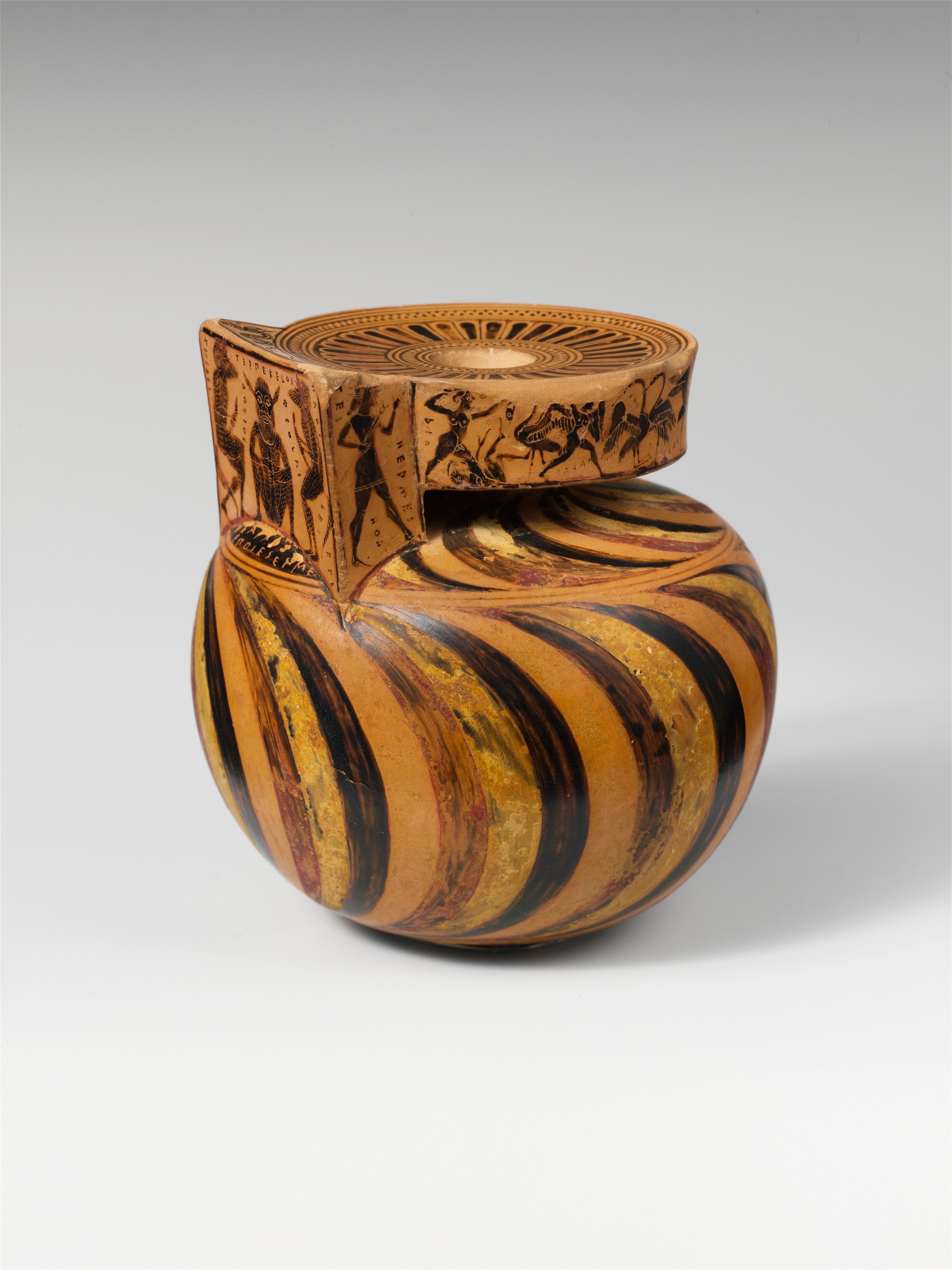
Nearchos — "Terracotta aryballos (oil flask)" (ca. 570 BCE), public domain
A city wakes to violated gods.
It’s May 415 BC. The Sicilian Expedition—Athens’ grand gamble—is days away. In the dead of night, unknown men slip through the streets, mutilating dozens of herms: stone pillars with Hermes’s bearded head and, famously, an erect phallus. By sunrise, the city is on the brink of riot.
Panic, blame, and a political assassination.
The attack is more than vandalism—it’s sacrilege. Some whisper of Sparta, others of internal enemies. Attention lands on Alcibiades, the brilliant but reckless general about to lead the fleet. He denies everything, but rivals see their chance. A show trial is demanded—while the armada already sails.
A scandal sabotages an empire.
Alcibiades is recalled mid-campaign, flees, and stirs up trouble with Athens' enemies. The Sicilian Expedition founders. It all starts with a drunken dare, a chisel in the night, and a city that cannot decide whom to trust.
A drunken night, a city in panic, and a rising star sabotaged—all before the ships even set sail.
