
Phidias Accused Over the Goddess's Gold
The man who built the Parthenon's statue of Athena was dragged to court—accused of stealing the goddess’s own gold.
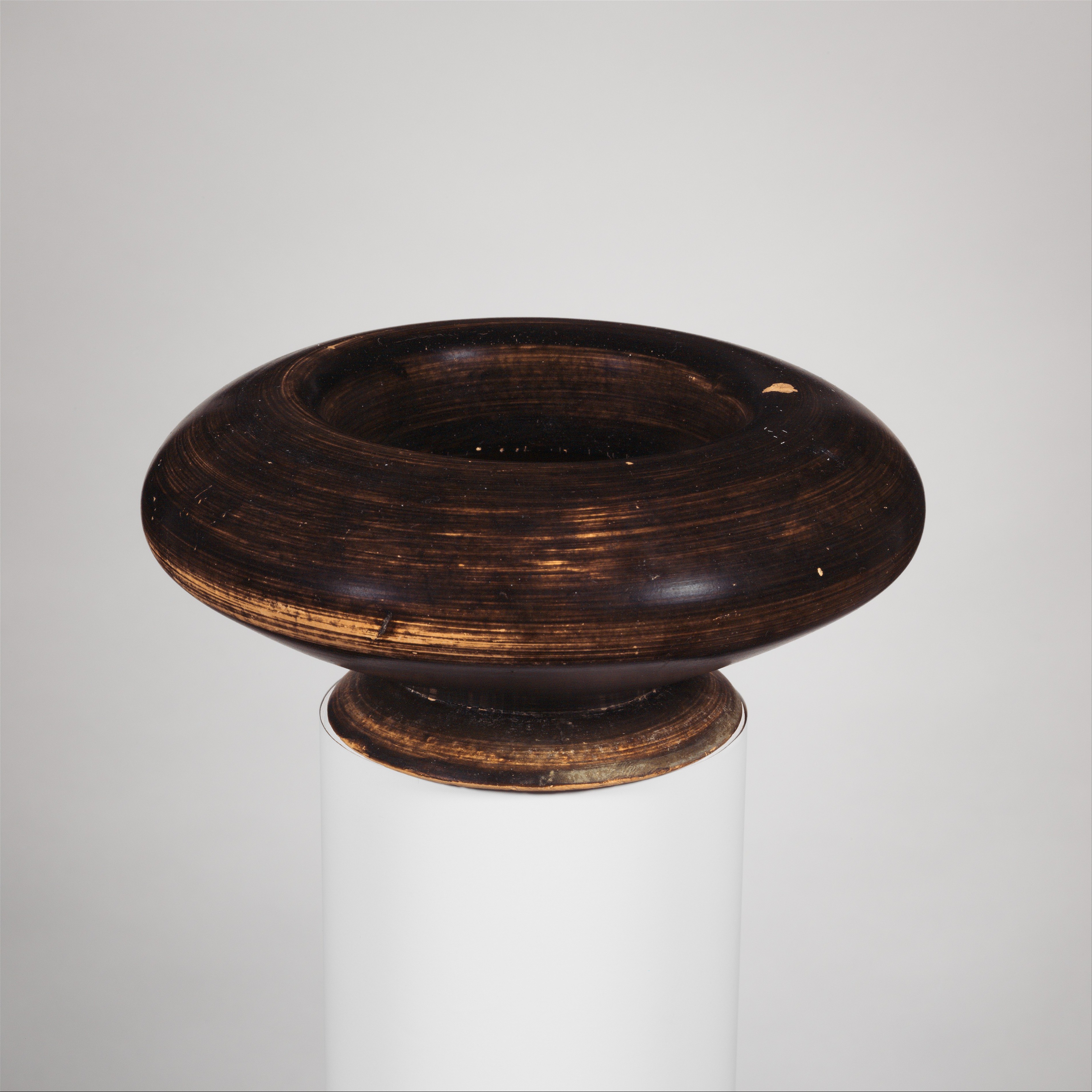
Unknown — "Terracotta plemochoe (vase for perfume)" (5th century BCE), public domain
Gold Robes on Trial
Phidias’ Athena towered inside the Parthenon, glittering in gold plates. Then came whispers: had he skimmed a fortune from the goddess herself? Athenians dragged the sculptor to court, the city buzzing with accusation.
Proving Purity—By Dismantling Divinity
To clear his name, Phidias called for the statue’s robes to be stripped from Athena’s immense form. The gold was weighed in public—every drachma accounted for. He won the numbers, but lost his safety: the charges kept coming, and Phidias soon fled Athens for his life.
A Scapegoat for Democracy's Paranoia
The greatest artist of his age, humiliated by the city he’d glorified. In turbulent Athens, even genius wasn’t enough to keep you safe from politics.
Phidias, genius sculptor, was scapegoated amid political tension—forced to prove he hadn’t pocketed a single drachma meant for Athena’s shimmering robes.
