
Fireproof Greek Cups
Archaeologists found drinking cups in Athens that survived direct flames—for a reason.
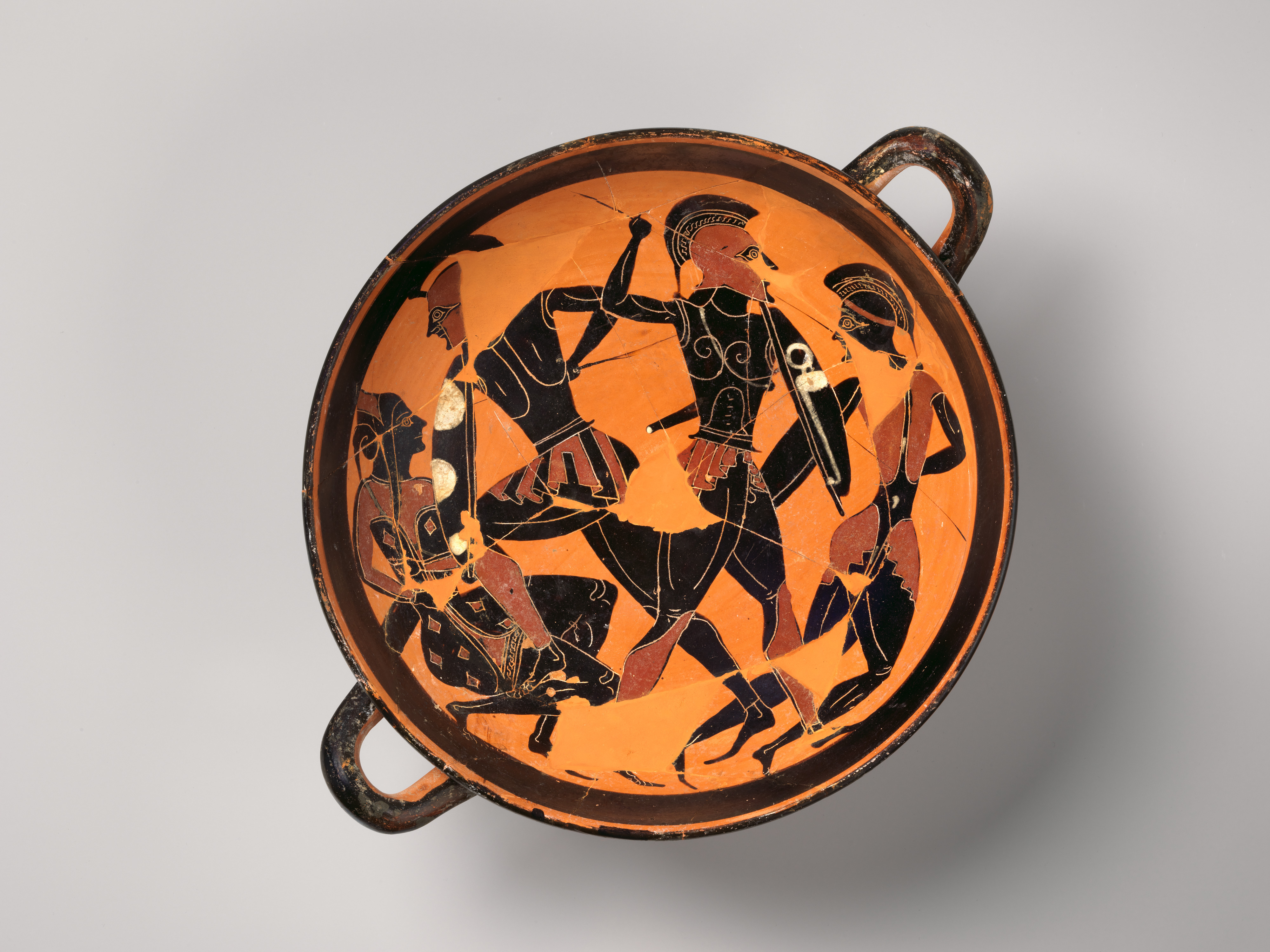
Lydos — "Terracotta kylix: eye-cup (drinking cup)" (ca. 540 BCE), public domain
Greek Cups Withstand the Flame
Buried in the Athenian Agora, archaeologists have found battered, soot-blackened terracotta cups that show clear scorch marks. These weren’t accidents—they were tools. Some Greek vessels were made extra thick and left undecorated specifically to survive the open flame.
Kitchen Tech Before Ovens
These 'baking cups' let cooks stew, bake, or roast food and then serve it straight from the fire. Some recipes in the Greeks’ oldest cookbooks actually call for dishes to be finished in these pots. Thousands of fragments prove these weren’t luxury goods—they were the kitchen workhorses of ordinary Athenians.
Some ancient Greek pottery—'baking cups'—was designed to go directly from fire to table. These vessels tell us Greek kitchens could get as experimental as any modern chef's.
