
Catiline’s Last Stand
Dawn breaks outside Rome. Lucius Sergius Catilina stands at the head of a doomed rebel army—outnumbered, cornered, but unbroken.
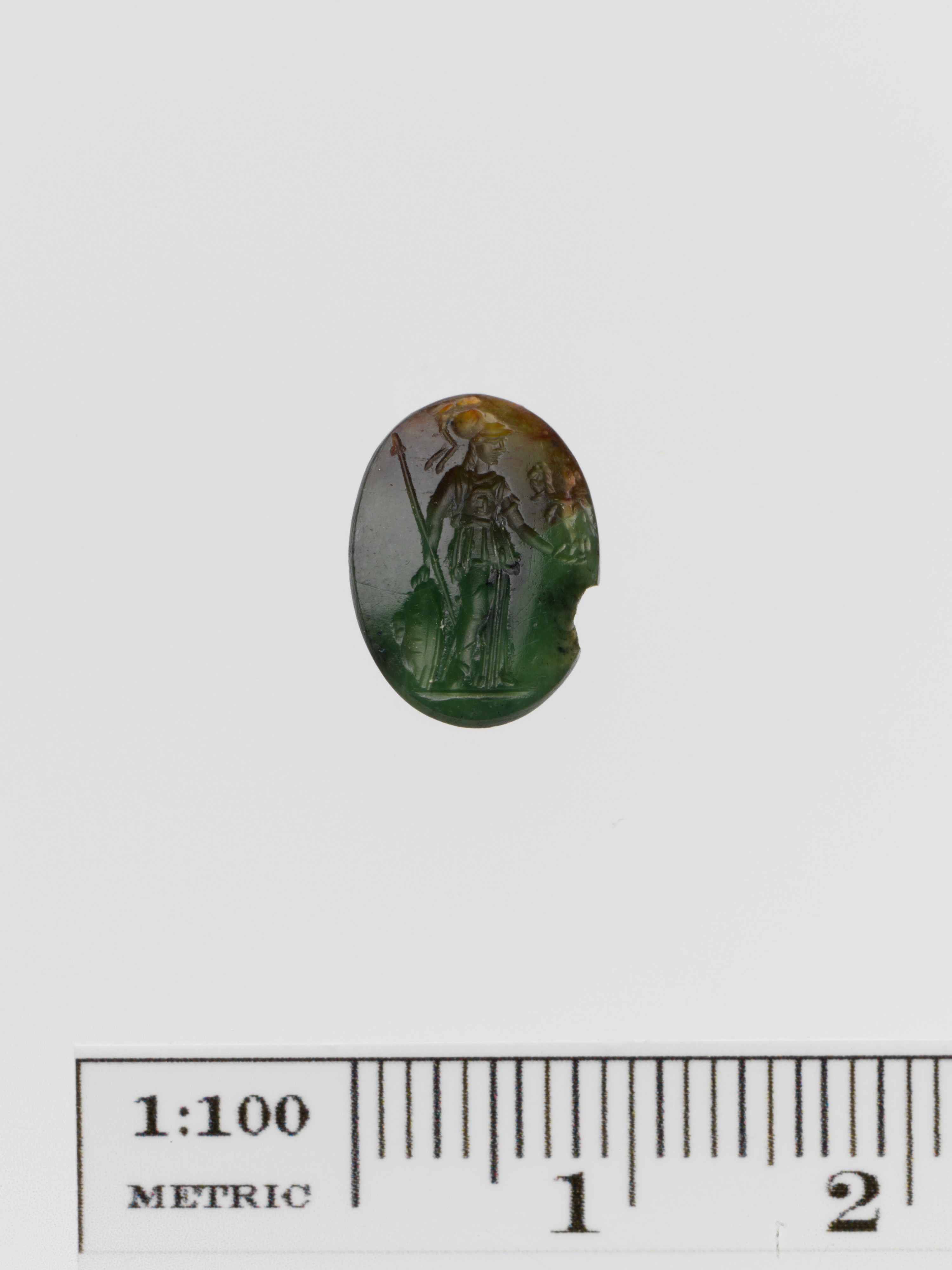
Unknown — "Plasma ring stone" (ca. 1st century BCE–3rd century CE), public domain
Cornered in the Fog.
In 62 BC, after months of conspiracy, Catiline’s ragtag army camped in the wintry hills north of Rome. He’d promised his followers a revolution—but the Senate denounced him as a traitor. When the final battle came at Pistoria, Catiline refused to flee. He strapped on his armor and ordered a last, desperate charge.
A Death Worth a Republic.
Sallust records that Catiline fell fighting at the very front, his corpse found ringed by the bodies of friends and enemies. No one fled. All died where they stood. Rome learned just how easily a few men, with nothing left to lose, could shake the city to its core.
Catiline’s desperate bid to seize power ended in a final, furious last stand—an eruption of violence that forced Rome to confront how fragile its Republic had become.
