
The Saturnalia Role Reversal
For a few wild days in December, Roman masters served their own slaves at dinner.
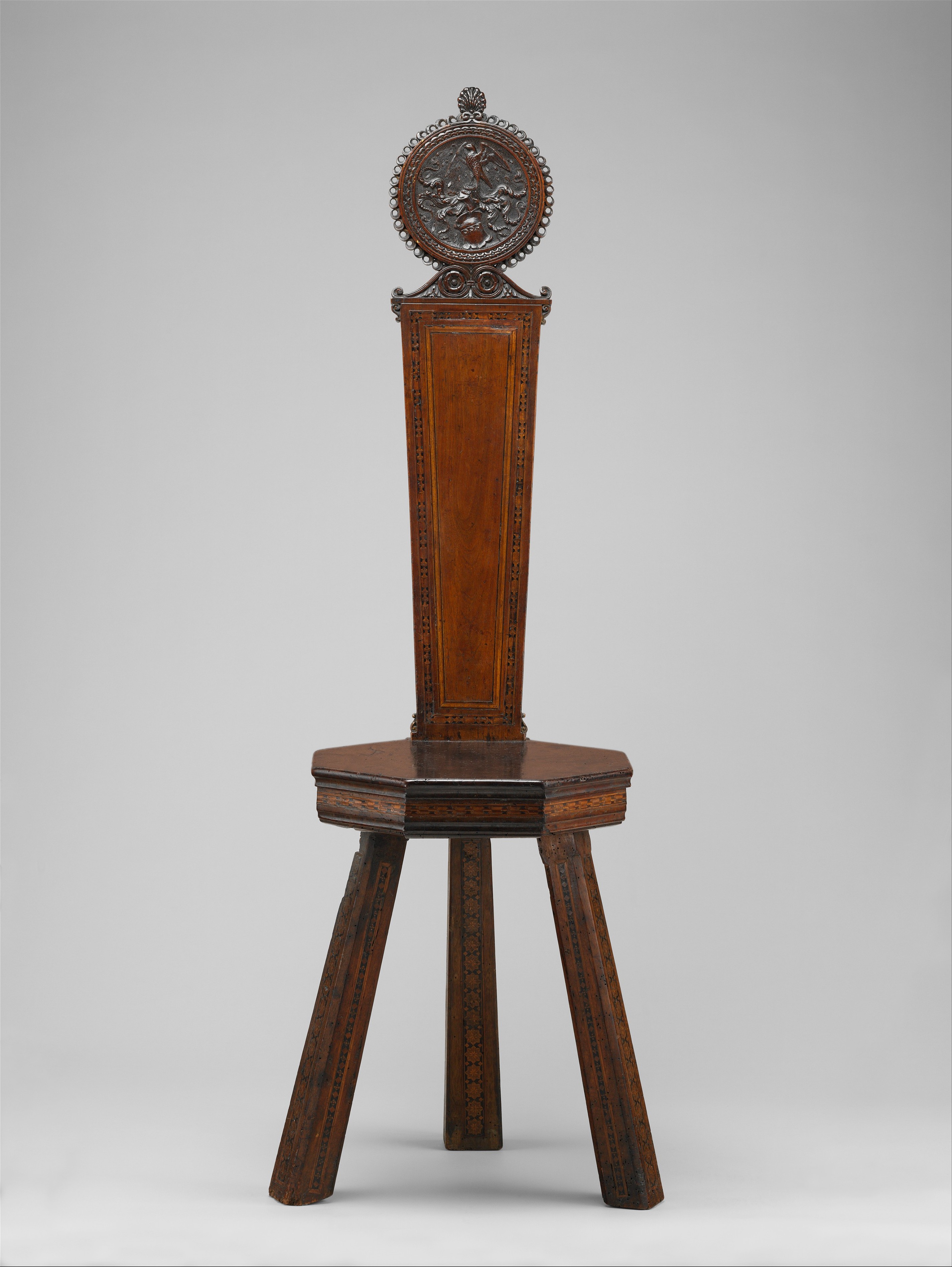
Workshop of Giuliano da Maiano (1432–1490) and Benedetto da Maiano (1442–1497) — "Chair (Sgabello)" (ca. 1489–91), public domain
Slaves take charge.
In late December, the city exploded into Saturnalia—a holiday where masters swapped places with slaves. The rules were simple: for the feast, the enslaved lounged in fine robes, while their masters scurried about serving food and pouring wine.
Order turns to chaos.
Legal gambling, public singing, and mockery of authority—everything forbidden was encouraged. One slave was crowned 'King of Misrule' and could command absurdities: make the master dance, wear silly hats, or speak only in riddles. But everyone knew the freedoms would soon vanish.
A brief flip—never a revolution.
By dawn after Saturnalia, Rome snapped back to normal. Slaves returned to their duties, the social hierarchy reasserted itself, and the laughter faded. The festival was a valve—not a revolution—meant to make injustice bearable, not to end it.
During Saturnalia, the hierarchies of Rome flipped upside down. Rich men waited on slaves, gambling was legal, and mock kings ruled the feast. The festival’s chaos exposed the cracks—and limits—of Roman order.
