
Roman Baths: Not Just for the Elite
You might picture marble baths reserved for emperors and senators—but Roman baths were bustling hangouts for everyone, from slaves to shopkeepers.
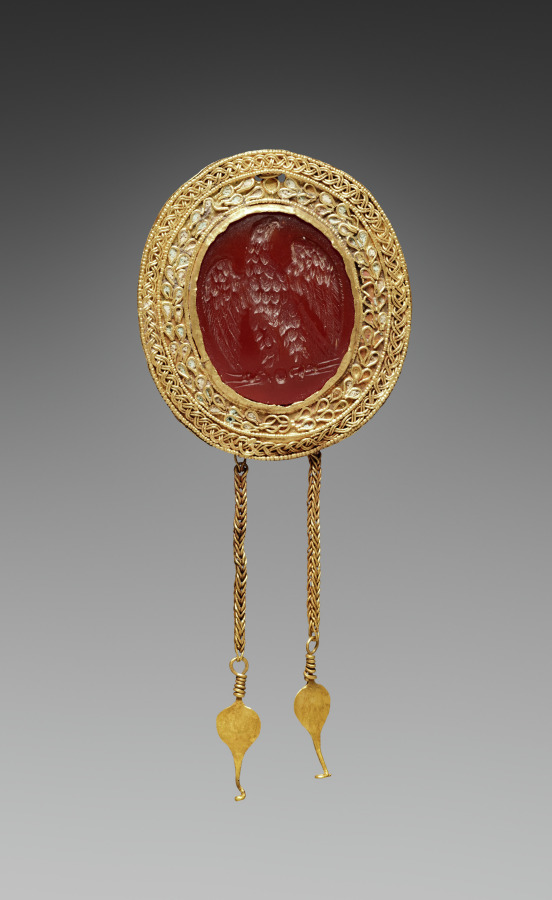
Unknown — "Intaglio: Imperial Eagle" (c. 1–25 CE), CC0
Baths for emperors—or everyone?
Popular imagination paints Roman baths as opulent retreats for the glittering rich. Marble columns, gold mosaics, pools of scented water—entry by invitation only. But step into a real Roman city, and the truth is far more democratic.
Bathing was a communal sport.
Excavations from Pompeii to North Africa reveal over a thousand public bathhouses. Many were modest, built of stone and plaster, cheap to enter. Children, workers, even enslaved people—everyone could wash, exercise, and socialize. Ancient writers like Seneca grumbled about the crowds and the noise. The baths were the true commons of Roman life.
Why do we get this wrong?
Victorian archaeologists fell for the marble grandeur of giant complexes like the Baths of Caracalla. Movies doubled down on the opulence, airbrushing the crowded, everyday reality. In truth, most bathhouses were noisy, steamy, and open to all—more neighborhood pool than palace spa.
Public bathhouses dotted every Roman city. Entry was cheap, sometimes even free, and the spaces buzzed with gossip, snacks, and steam. The archaeological remains show both grand marble halls and bare-bones neighborhood bathhouses—proof that hygiene and community weren’t just for the upper crust.
