
Exposing Newborns: A Roman Custom
Some Roman newborns spent their first hours on the floor, not in their mother’s arms.
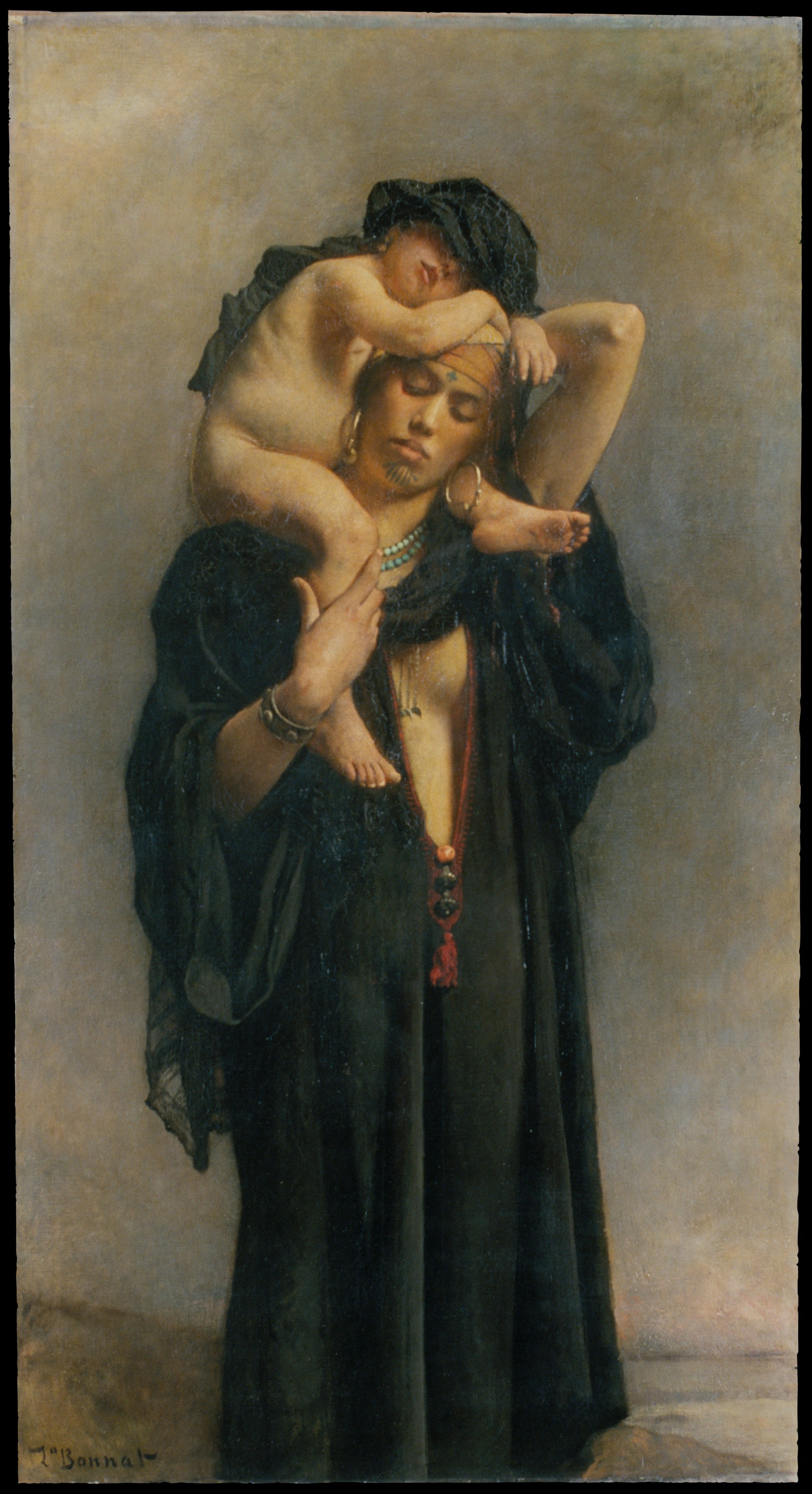
Léon Bonnat — "An Egyptian Peasant Woman and Her Child" (1869–70), public domain
A Baby’s Fate Decided on the Floor
In many Roman households, a newborn wasn’t handed to its mother. Instead, it was laid on the ground. Only when the father picked it up was the child officially accepted into the family.
Law and Life: The Roman Expositio
This ritual had consequences. If not accepted, a baby could be "exposed"—left outside the city to die or be taken by strangers. Roman legal sources and letters show this wasn’t rare, especially for girls or sickly infants.
In ancient Rome, newborn babies were often placed on the ground in front of the father. Picking up the child acknowledged it as part of the family. Leaving it on the floor could mean abandonment—sometimes leading to exposure and death. Archaeology and Roman legal texts confirm this ritual shaped the fate of thousands of infants.
