
Polybius: Prisoner to Power Broker
Polybius arrived in Rome as a hostage, not a guest. Within a decade, he was mentoring the very men shaping the Republic’s destiny.
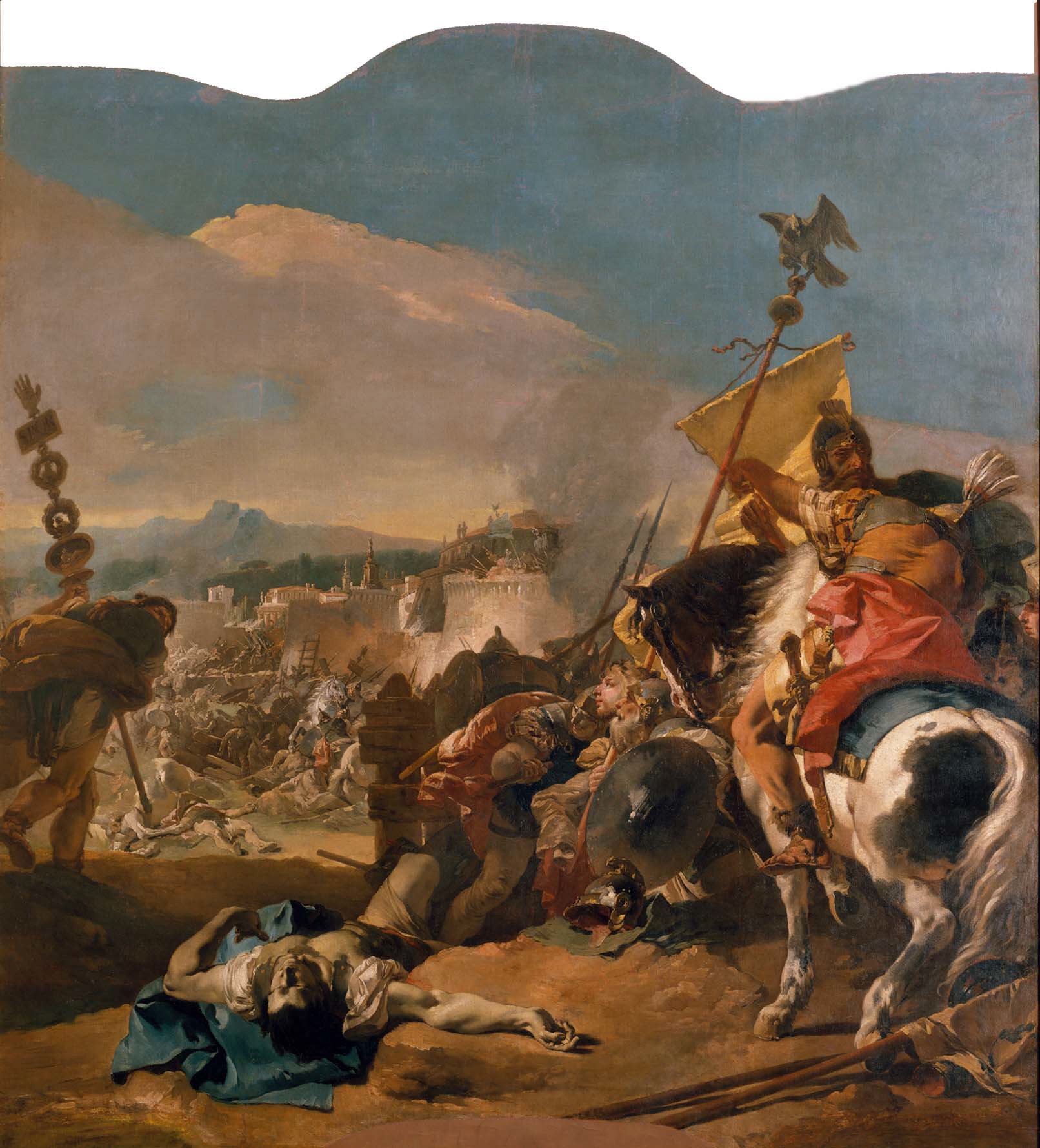
Giovanni Battista Tiepolo — "The Capture of Carthage" (1725–29), public domain
Hostage Turned Insider
Polybius, a Greek statesman, didn’t come to Rome by choice. After his defeat at the hands of Rome, he and a thousand other Greek elites were shipped off as hostages. But instead of languishing on the sidelines, Polybius caught the eye of Scipio Aemilianus—future vanquisher of Carthage.
Access to Power’s Core
Rome’s elite opened their libraries and homes to Polybius. He dined, debated, and rode with men who would redraw the map of the Mediterranean. Unlike other exiles, he wasn’t just watching history—he was advising those making it, and recording the methods of a republic on the brink of empire.
Admiration, with a Warning
Polybius' History isn’t just a Roman love letter. He admires their system, but warns how quickly power can slip from many to one. He saw firsthand what happens when outsiders peek behind the curtain—and what happens when they stay there.
From outsider to insider—Polybius watched Rome’s rise from within, and left us a history with both admiration and warning.
