
Pliny the Younger's Eyewitness to Disaster
"A cloud of unusual size and appearance rose." — Pliny the Younger, in a letter to Tacitus, describes the eruption of Vesuvius as it happens.
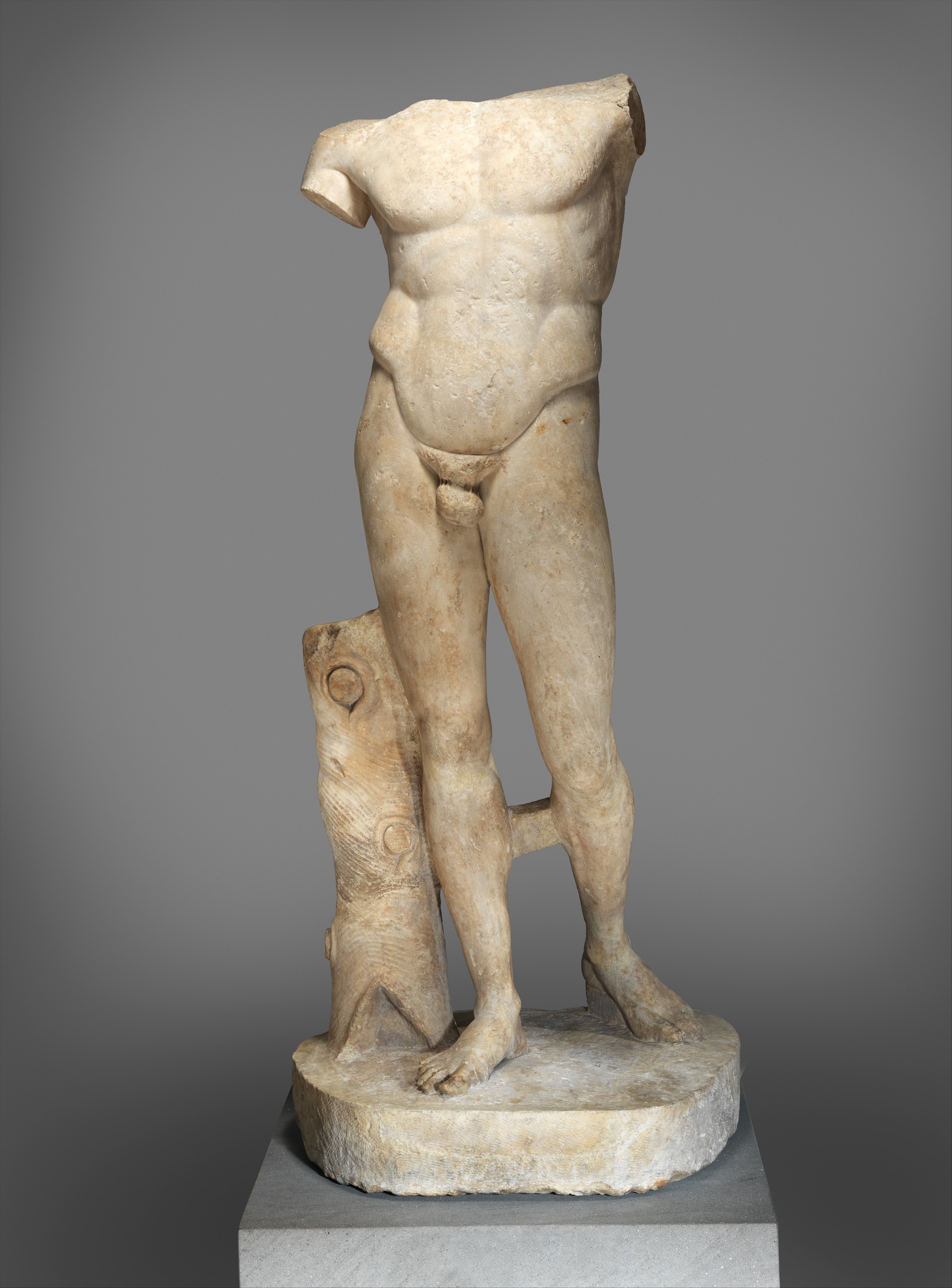
Polykleitos — "Marble statue of the Diadoumenos (youth tying a fillet around his head)" (1st–2nd century CE), public domain
History in real time.
"A cloud of unusual size and appearance rose." That's how Pliny the Younger begins his account of the eruption of Vesuvius in 79 AD, written in a letter to the historian Tacitus (Letters 6.16). From his villa, Pliny watched panic spread as ash blotted out the sun and the mountain unleashed its fury.
A Roman witnesses catastrophe.
Pliny's precise, almost scientific description helped later geologists understand what happened at Pompeii. His words captured not just spectacle, but terror: people fleeing, darkness at noon, the sea retreating as the earth shook. Without Pliny’s letter, much of what we know about that day would remain buried.
This is one of history’s earliest surviving eyewitness accounts of a natural disaster, penned by Pliny the Younger as he watched Vesuvius swallow Pompeii.
