Fragmenta.
Cómo FuncionaPreciosHoyBlogENDescargar para iOS
EN
Hoy›Mito Desmentido
Mito Desmentido·Grecia Antigua·Classical Greece (c. 5th–4th century BCE)

Did Plato Really Hate All Poetry?

We’re told Plato banished poets from his Republic—a philosopher’s war on poetry. But did the father of Western philosophy actually despise verse?
Did Plato Really Hate All Poetry?

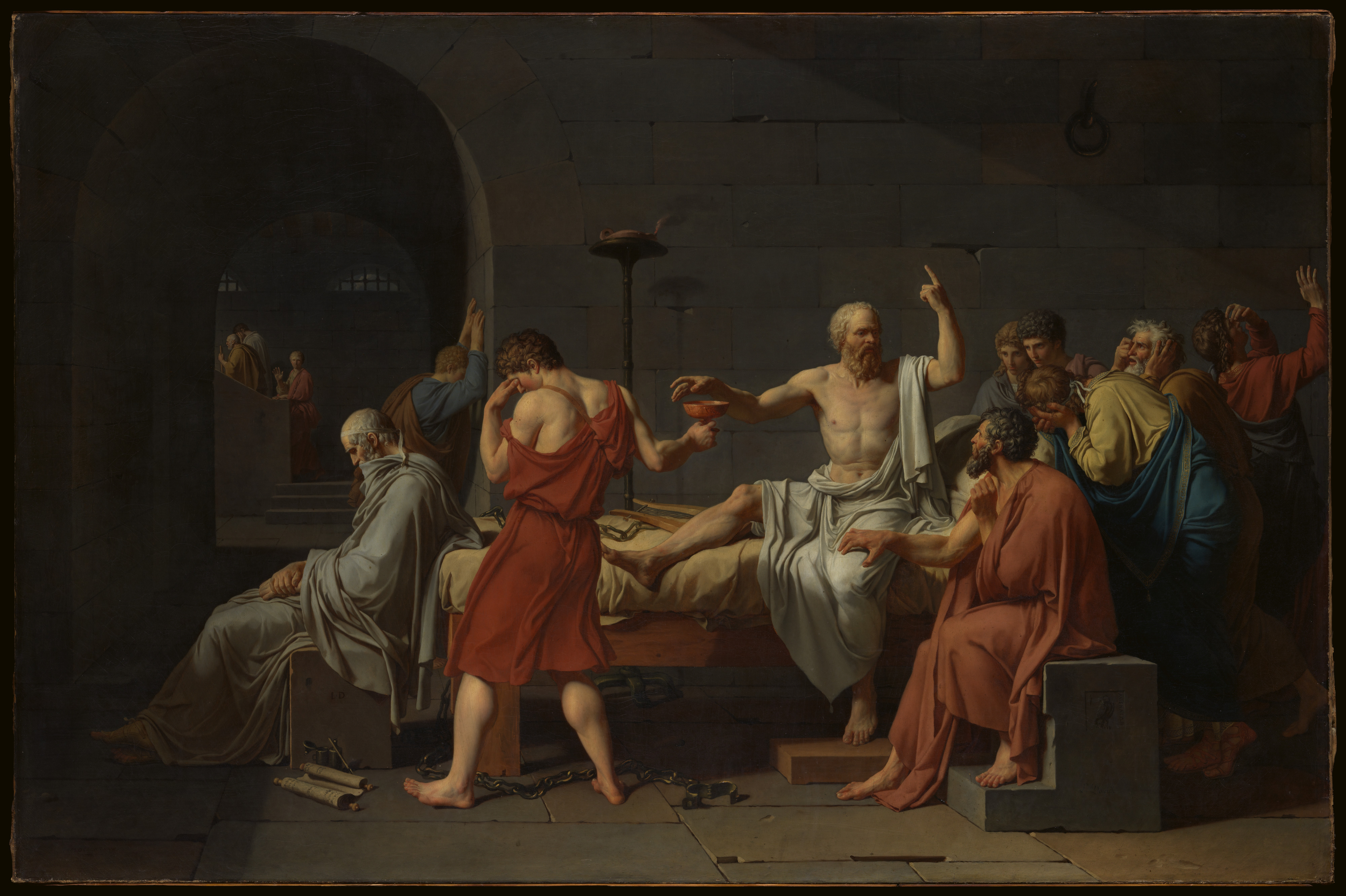
David — "The Death of Socrates" (1787), public domain

‘Plato Hated Poetry’—Or Did He?

Plato’s Republic reads like a ban on poetry. He famously suggests that poets should be expelled from his ideal city for “telling dangerous tales.” For centuries, readers have pictured him as the ultimate killjoy, locking out Homer and Sappho alike.

The Philosopher Poets Plato Actually Loved

Plato’s dialogues brim with myth, metaphor, and poetic rhythm. He critiques poets who, in his view, mislead or stir destructive emotions. But he also imagines a reformed poetry—one that reveals philosophical truth. He even calls for new poets to shape the soul of the city. Plato didn’t hate verse—he wanted it remade.

Why the ‘Poet Ban’ Stuck

The myth likely persists because Plato’s criticisms are dramatic and blunt. Later critics, from Roman moralists to Victorian schoolmasters, used his words to justify their own suspicions about the power of art. But if you look at the Symposium or the Phaedrus, you find a philosopher helplessly enchanted with poetry’s spell.

Plato’s dialogues are packed with poetic allusions. He criticized certain kinds of poetry for corrupting morals, but he also championed the philosopher-poet and called for new, better poetry to shape his ideal city.

Sigue leyendo en la app

Fragmentos diarios de historia antigua, diseñados para tu rutina matutina.

Descargar para iOS
5.0 en la App Store

Sigue leyendo

Historia · Late Republican Rome

Clodia, the Poison Trial, and Cicero’s Spin

In a packed Roman court, Clodia stood accused of poisoning her own lover—while the crowd waited for Cicero to tear her reputation to shreds.

Cita · Imperial Rome

Musonius Rufus on Anger

"He is most powerful who has himself in his own power." — Musonius Rufus, the hard-edged Stoic, taught: «Κρατιστεῖ δ' ἀνὴρ ὁ ἑαυτοῦ κύριος» — "The mightiest man is master of himself."

Un Día Como Hoy · Late Republic and Empire

On This Day: The Ludi Florales Bloom in Rome

April 28: Rome bursts alive with the first day of the Ludi Florales—flower petals, crude comedies, and dancers in nothing but garlands.

Dato · Classical Athens

Athenians Fined for Pooping in Public

In 4th-century BC Athens, you could be fined for letting your donkey—or yourself—relieve itself on a public path.

Fragmenta.

Hecho con cuidado para la historia que lo merece.

App Store

Producto

Cómo FuncionaFragmentos DiariosCaracterísticasHoy en la HistoriaBlogDescargar

Legal

Política de PrivacidadTérminos de ServicioEULASoportePrensa

Conecta

TikTok
© 2026 Fragmenta. Todos los derechos reservados.