
Herodotus: The Border-Crosser
He called Babylon’s temples “wonders”—but Greeks mocked his travels as gossip.
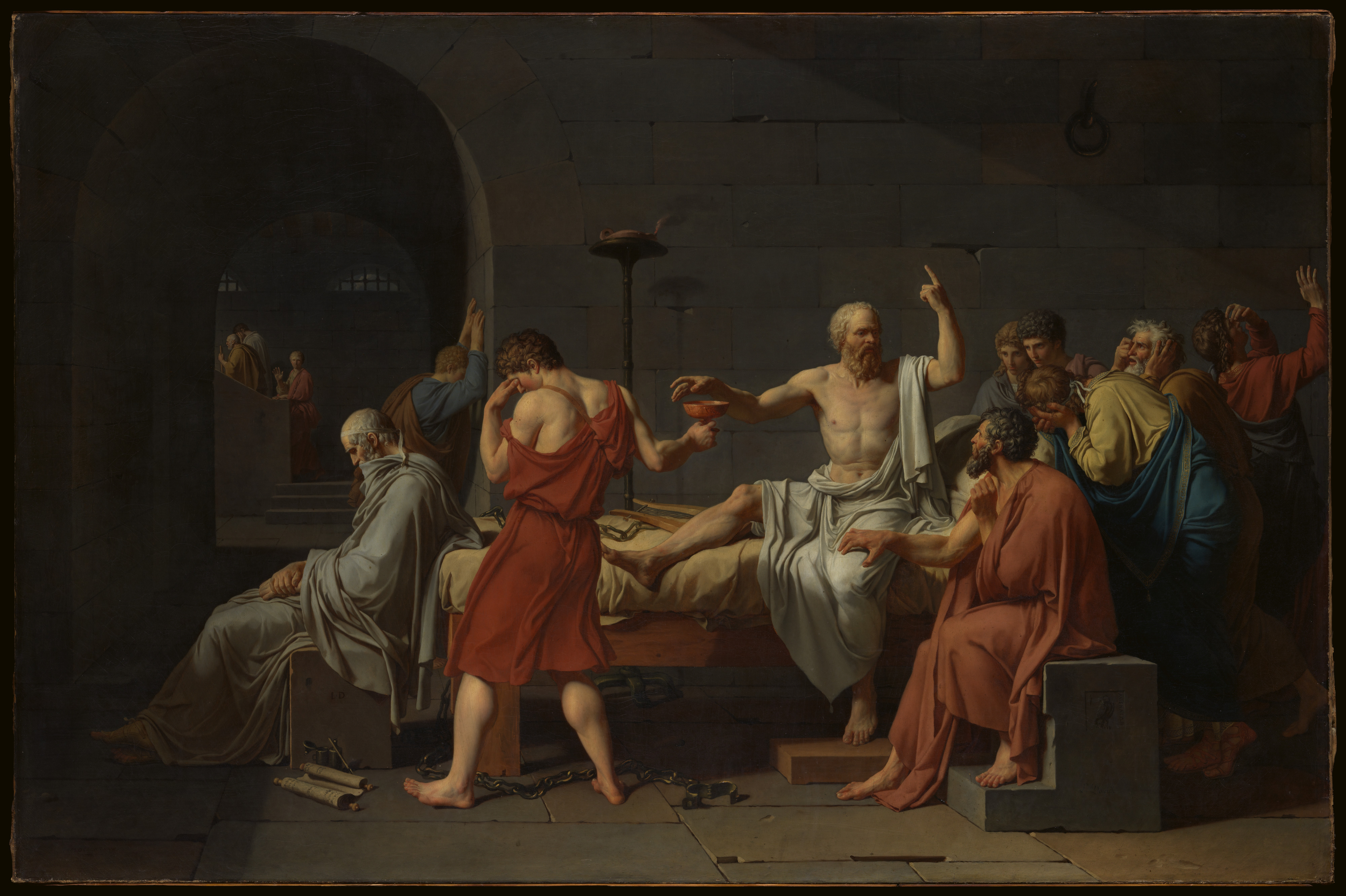
Jacques Louis David — "The Death of Socrates" (1787), public domain
Between Worlds, Not Walls
Herodotus was obsessed with otherness. He trekked from Egypt’s cryptic pyramids to the Persian heartlands, scribbling down both marvels and rumors. To him, the world wasn’t contained by Greekness: it sprawled across deserts and rivers, ruled by kings with gold-laden tombs and gods whose names sounded strange.
The First Historian—Or Storyteller?
Back home, Athenians called him philobarbaros—‘barbarian lover.’ They accused him of embellishing tales of winged snakes and gold-digging ants. But Herodotus insisted that understanding people meant listening to their stories—even when they didn’t fit into Greek logic. His ‘Histories’ doesn’t just record wars—it maps the boundaries of curiosity itself.
Legacy: Curiosity as Rebellion
For centuries, some dismissed him as a spinner of yarns. Yet Herodotus created a kind of history where questioning, wandering, and doubt were virtues. His method—never quite trusting a single version—still shapes how we try to understand the world’s tangled truths.
Herodotus didn’t just write history—he wandered, listened, questioned. His curiosity challenged Greek parochialism and forced the Greeks to look beyond their own myths.
