
Did All Ancient Greek Athletes Compete Naked?
If you picture the ancient Olympics, you might see thousands of bronzed men running and wrestling in the nude. Was every event a full-body spectacle?
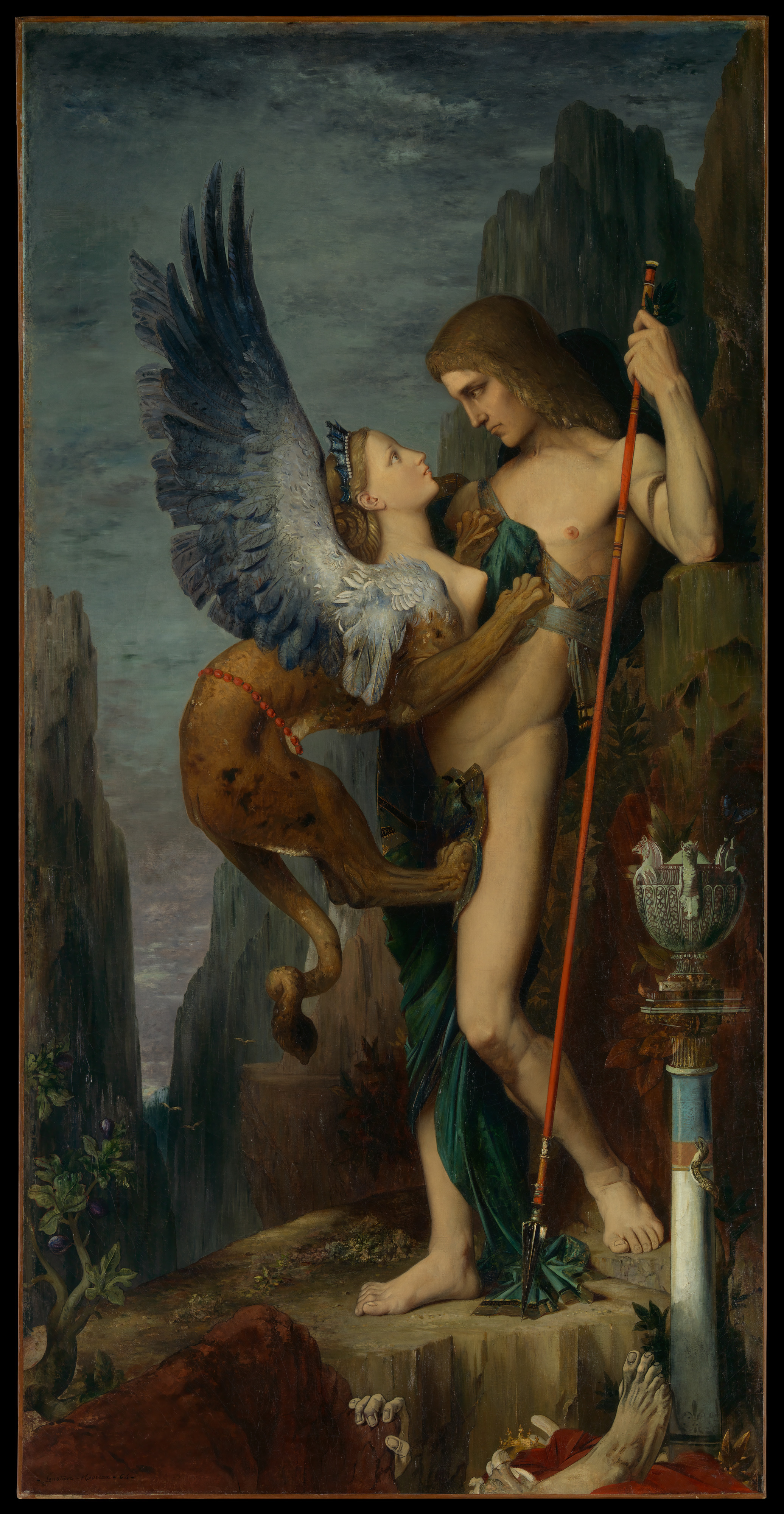
Gustave Moreau — "Oedipus and the Sphinx" (1864), public domain
Every event, every athlete—totally naked?
You’ve heard it: ancient Greek athletes always competed nude. The word 'gymnasium' literally means 'naked place.' Surely, every Olympic runner and wrestler bared all in front of roaring crowds? That image is nearly everywhere.
Not from the very start—and never universal.
The earliest Olympic Games featured clothed competitors—especially charioteers, who kept their tunics for obvious safety reasons. Only later, possibly in the 8th century BCE, did elite runners strip nude, and the trend spread over time to other events and festivals. Women had their own games (the Heraia), but competed clothed—no nudity permitted.
Why imagine a naked Olympics?
Later Greek writers, eager to underline Greek 'difference,' exaggerated the nudity custom in contrast to 'barbarians.' Victorian-era scholars and 19th-century painters loved the image of pure, athletic nudity—so it stuck in our imagination.
While Greek men did compete naked, it wasn’t always the rule—early Olympics saw athletes clothed, and women had their own festival (clothed). The shift to nudity was gradual and debated even then.
