
Athenian Democracy: For All?
Every citizen a voter, every voice heard—Athens as the birthplace of democracy. But 'citizen' meant 'adult male with citizen parents.' That left most Athenians out.
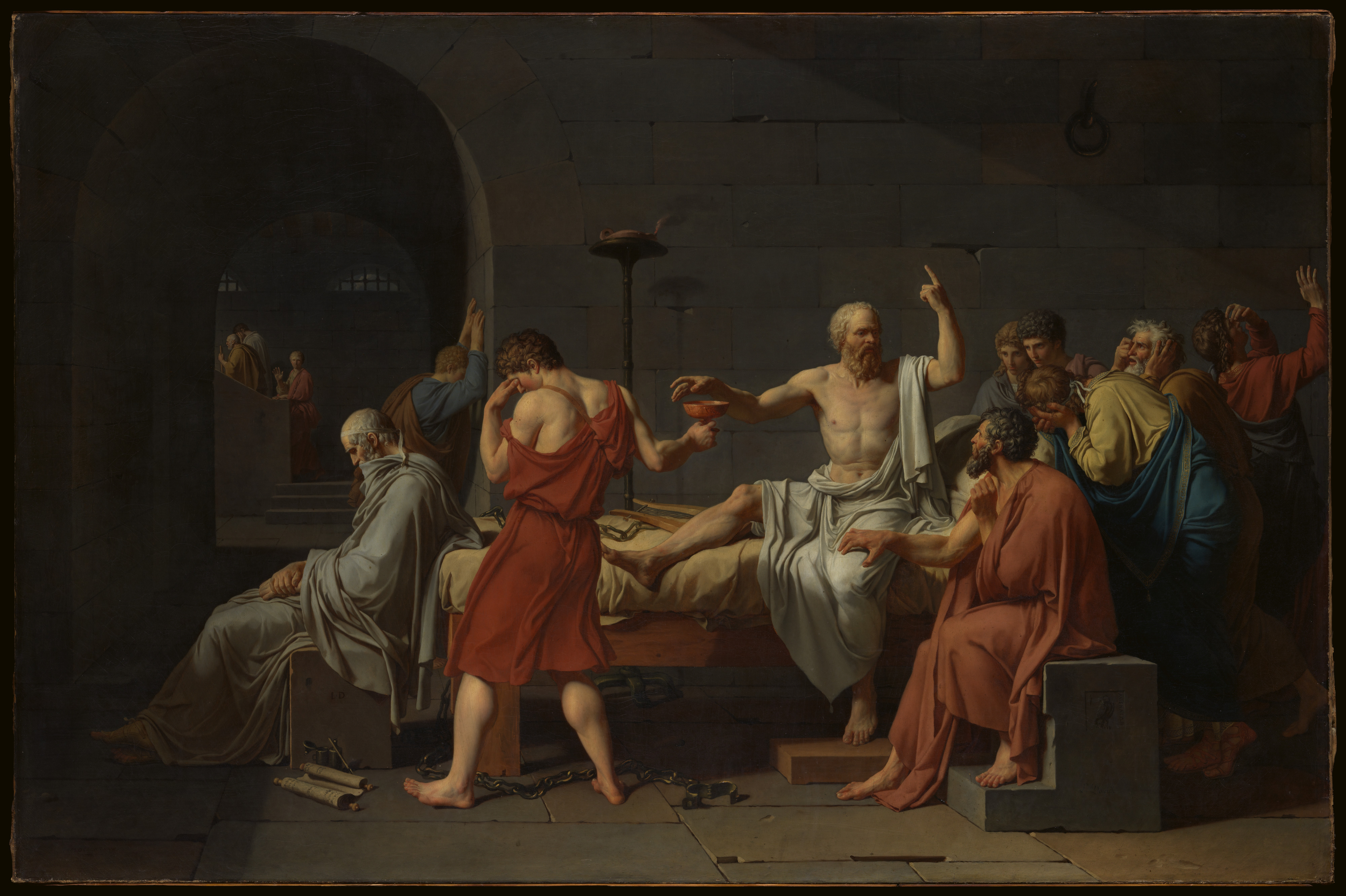
David — "The Death of Socrates" (1787), public domain
Was Athens a democracy for everyone?
We picture Ancient Athens as the model for our own democracies—every free person debating on the Pnyx. In reality, voting was for just a narrow slice: freeborn adult males with two Athenian parents.
The numbers tell a different story.
Women, slaves (the majority), and metics (resident foreigners) could never participate in politics. Out of the whole population, only about 15% could speak or vote in the assembly. It was radical for its time—but not remotely universal.
Why did the myth grow?
Nineteenth-century writers used Athens as an ideal. Only by modern standards does its exclusion jump out. But even then, some ancient critics—like Aristotle—debated who deserved the name 'citizen.'
Out of a population of maybe 250,000, fewer than 40,000 could vote—and women, slaves, and foreigners had no say. The 'democracy' most Athenians lived under was strictly limited.
